
No heat, no hot water
A boiler that won't stay lit can't run at all. Without it, you're without heat and, on most systems, hot water too, until a contractor replaces the part.
 Request a pro
Describe your boiler job, and a local pro who handles it gets in touch.
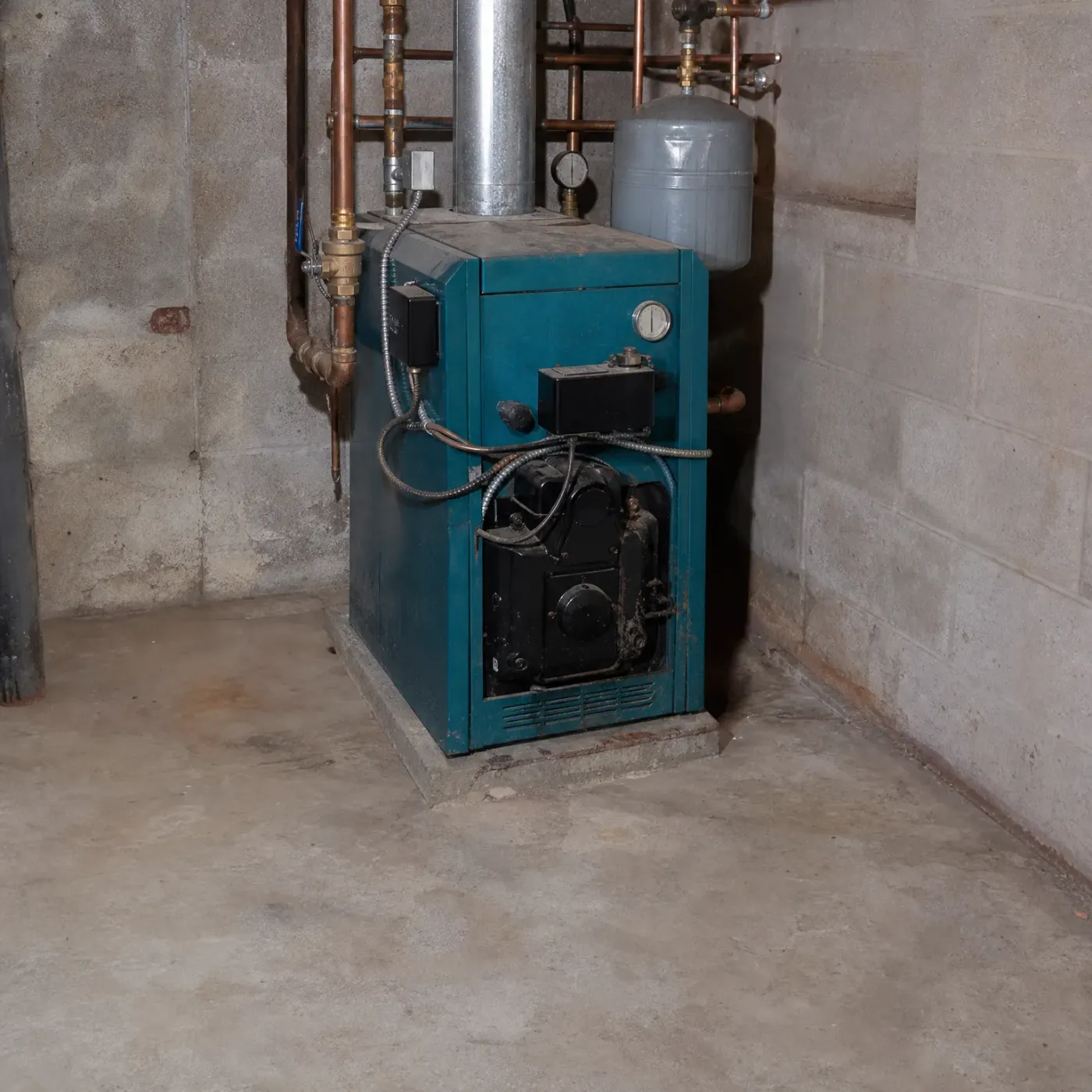
A pilot that won't stay lit usually means a dirty or failing thermocouple, a draft hitting the flame, or a thermocouple that's worn out and needs replacing. Sometimes it's the gas valve itself. You can relight it a dozen times and it'll go out again if the real cause isn't found and fixed.
Here in Pennsylvania, that boiler is doing most of the work keeping your house warm all winter. Most homes here run on gas, and when the pilot won't hold, you're stuck relighting it by hand or living without heat until someone looks at it.
Finding out which part is at fault takes a trained eye on your specific boiler, not a guess over the phone. Brand, age, venting setup, all of it matters to someone trying to track down why that flame keeps dying on you.
That's the part this page skips you past. Instead of hunting through listings, calling a few places, and explaining the same problem over and over to each one, you answer a short set of questions about your boiler and what it's doing, and a licensed contractor who handles this kind of repair in your area gets in touch with you directly.
No quotes to compare on your own, no voicemail tag, no sitting on hold while the house gets colder. You get matched with someone who already knows what you're dealing with before they walk in the door.
With power costs what they are in Pennsylvania, you don't want a boiler running inefficiently, or not running at all, longer than it has to. The faster you're talking to the right contractor, the faster you find out what's actually wrong with that pilot and what it'll take to keep it lit.
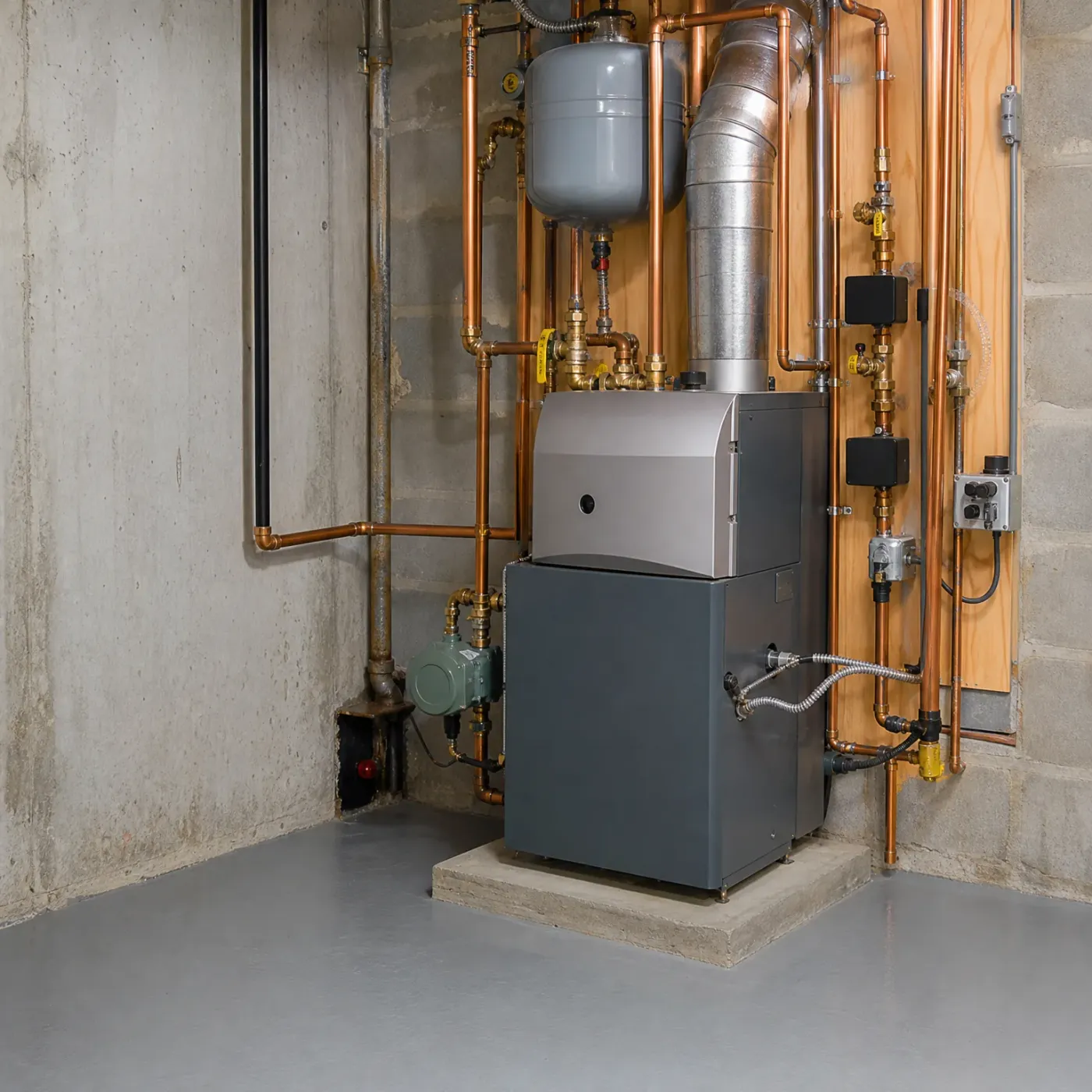
A pilot light that won't stay lit is almost always the thermocouple. That's the small metal rod sitting in the pilot flame, and its job is to sense heat and keep the gas valve open. Once it gets coated with soot or just wears out from years of heating, it stops reading the flame correctly and shuts the gas off, even though the pilot lit fine a minute ago. A draft from a basement window or a nearby vent can do the same thing by blowing the flame off the thermocouple's tip. Less often, the gas valve itself is failing, and no amount of relighting fixes that. With gas heat running most of the winter in Pennsylvania, a pilot that won't hold means no heat until it's fixed, not a problem to put off relighting your way through.
Fill out one short form instead of calling around.
There's no charge for the request.
The thermocouple only has to sense one thing: is the pilot flame actually touching it. If soot builds up or the rod sits slightly out of position, it reads cold even with the flame right there.
That's why relighting the pilot never fixes it for good. The gas valve keeps closing because the thermocouple keeps telling it there's no flame, whether that's true or not.




A boiler that won't stay lit can't run at all. Without it, you're without heat and, on most systems, hot water too, until a contractor replaces the part.
Calling around for a contractor, explaining the problem again, comparing quotes, that's work too. Get matched with one who handles it and let them call you instead.
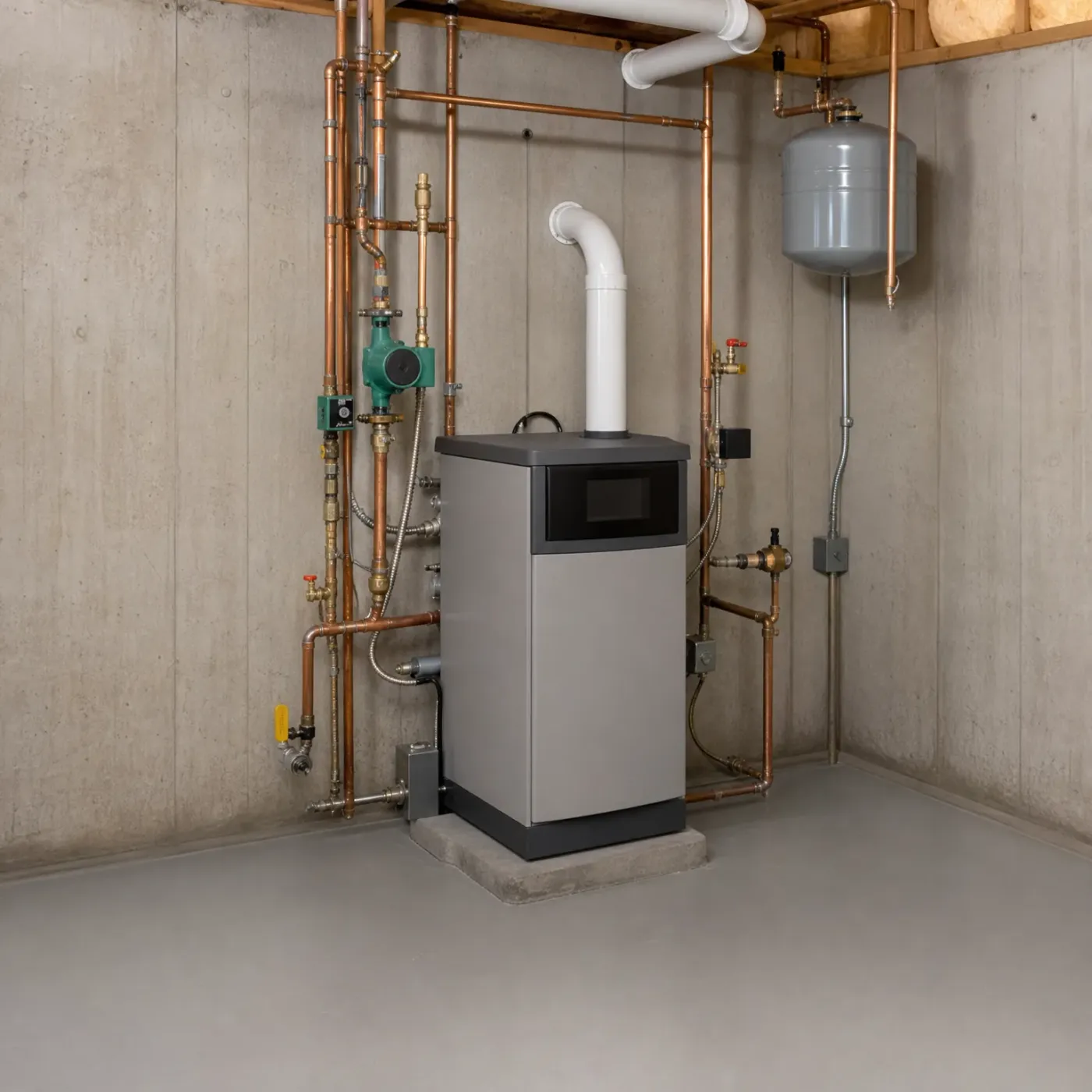
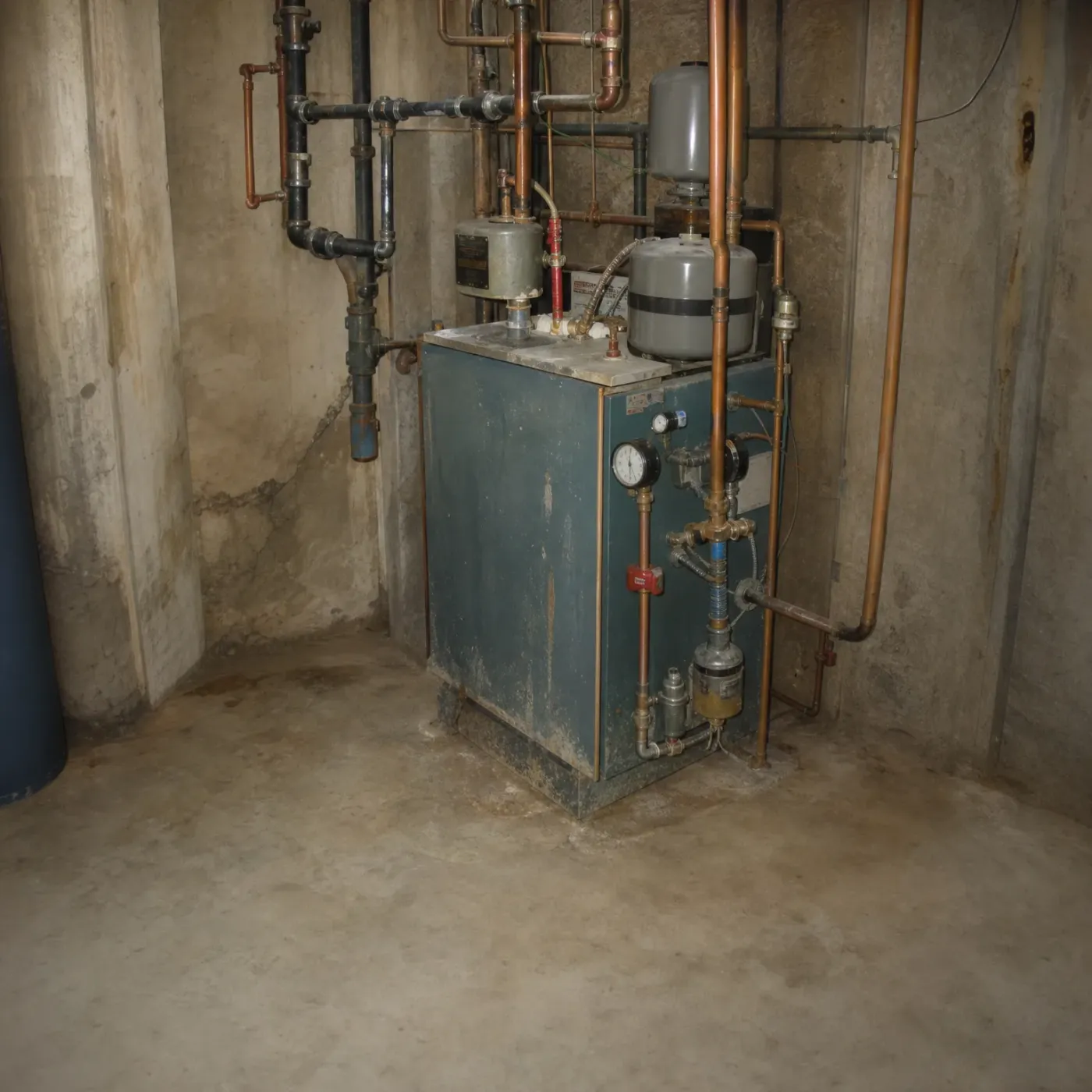
On a 23°F night, your boiler is running long stretches to keep the house warm, and a pilot that won't hold means the burner never fires at all. A relight might get you through one cold night, but it won't last through a whole Pennsylvania winter.
NOAA nClimDiv 1991-2020 county normals weighted by homes



That's the answer, and it doesn't change the fifth time you relight it. The part wears out or gets dirty, it stops sensing the flame, and the gas valve shuts. Nothing about your house causes that. It's the rod itself, and a contractor who's looked at a hundred of these knows it on sight.
What's left is getting someone out to do it, on a night when the heat's already off and you don't want to spend an hour on the phone finding out who's available and explaining the same thing twice. Answer a few questions about your boiler and what it's doing, and a contractor who handles this repair gets matched to you and reaches out directly. No calling around Pennsylvania looking for someone who answers, no retelling the pilot story to three different shops before one can come out.

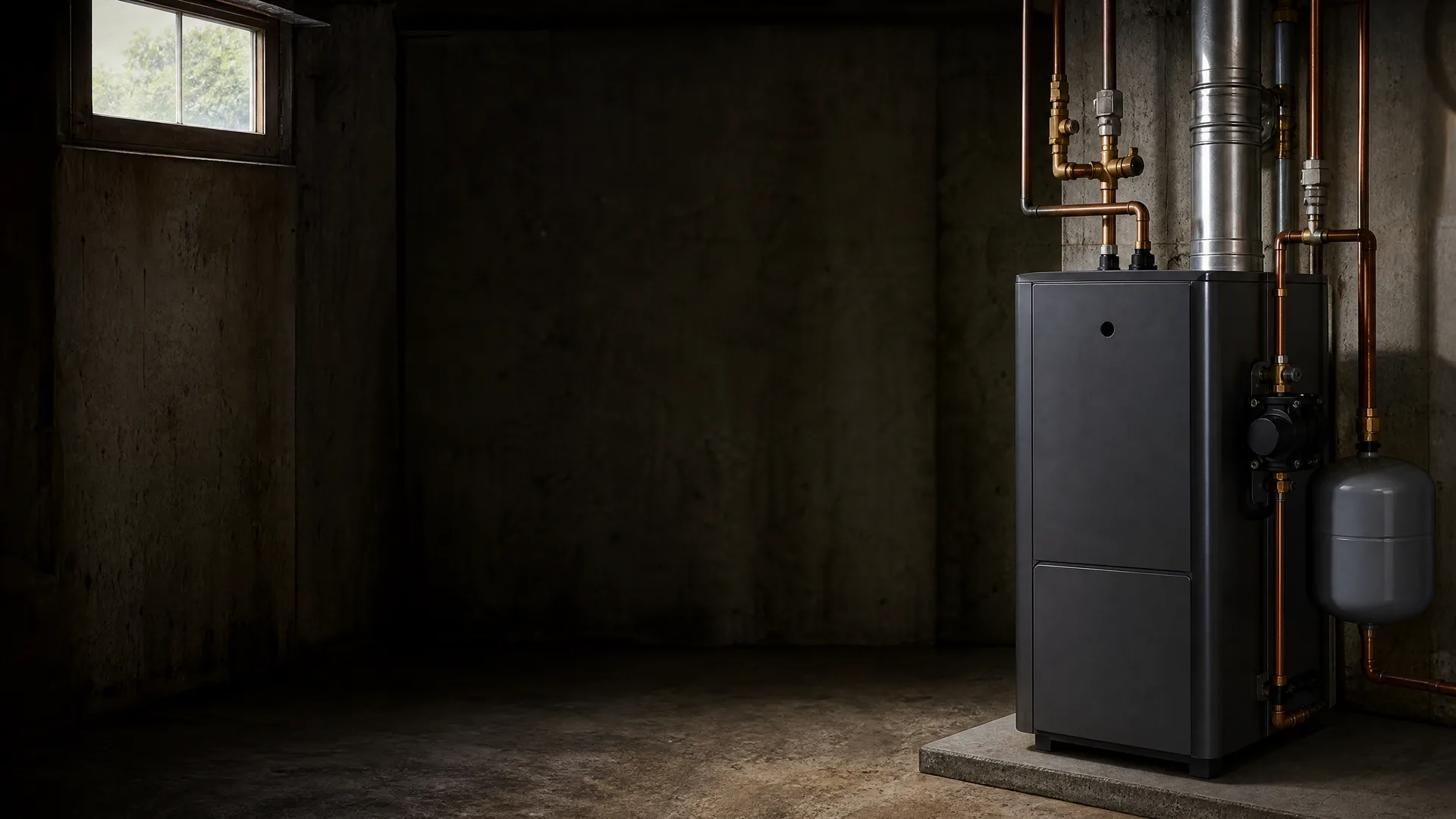
Skip searching for a boiler pro and answer a few questions instead.