Tell us about the job
Takes about a minute. No obligation.
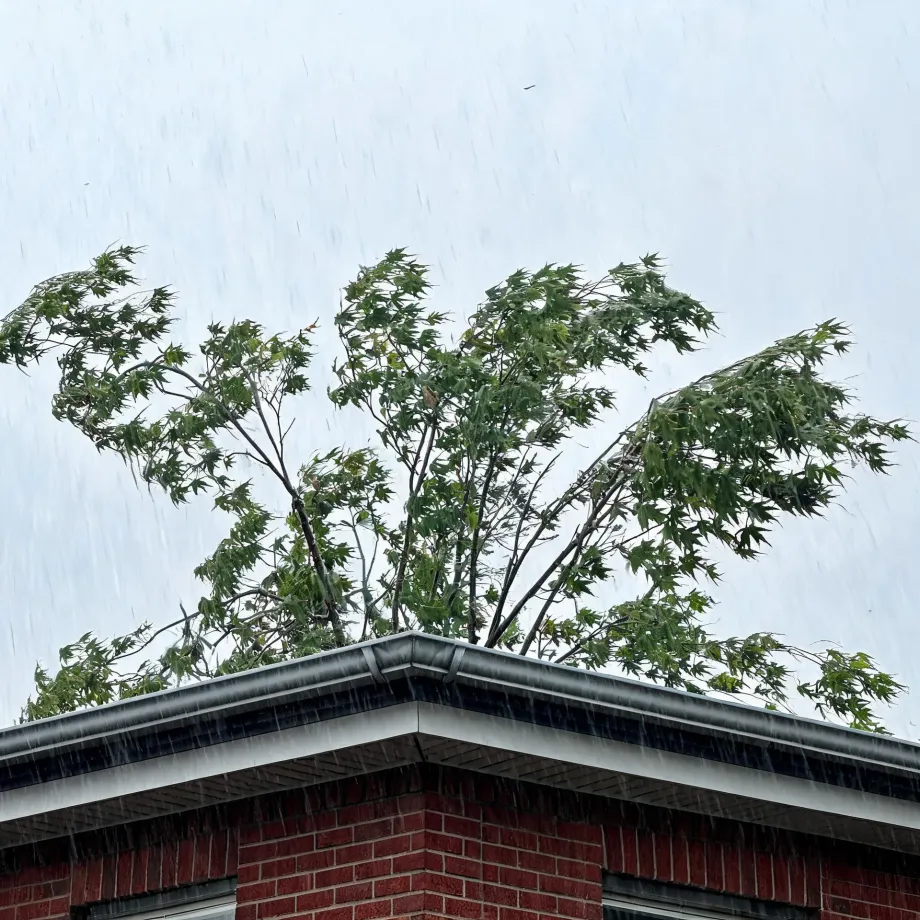
A boiler in Allegheny County has been running against real weather load, and that load shows up in specific places. 690 severe weather events were recorded in Allegheny County, Pennsylvania between 2015 and 2024. Contractors working repairs here find that heat exchangers and pressure relief valves carry the clearest evidence of cumulative stress, because those are the components that respond to the swings in demand that severe weather drives. A system that has been cycled hard, season after season, tends to show fatigue at seals and joints before it shows it anywhere else. That is what a contractor is checking first.
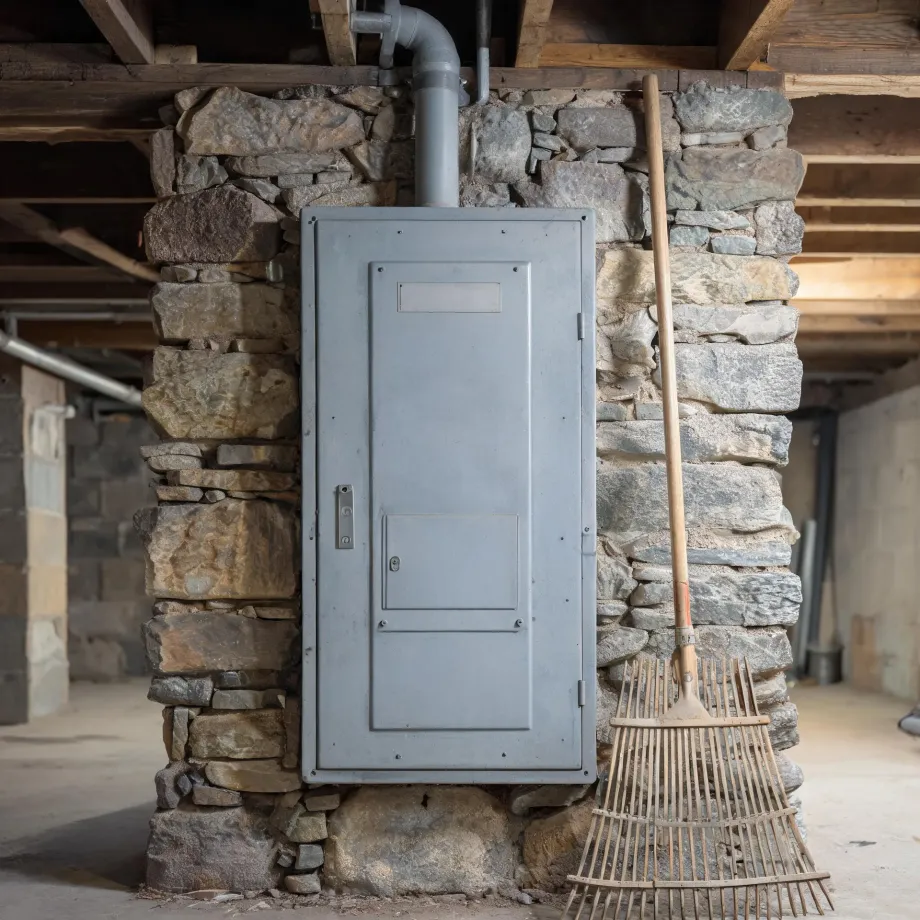
Boilers in prewar and early postwar housing carry a repair history that only shows up once a contractor opens the system. Half the homes in Allegheny County, Pennsylvania were built in 1957 or earlier (2020-2024 ACS 5-year). Equipment in stock that old has moved through multiple ownership cycles, each with its own repair decisions, part substitutions, and workarounds layered into the unit. What a contractor actually finds inside determines whether a straightforward fix is possible or whether a part that fits the original spec is still being manufactured. That answer comes from the opened system, not from the address.
The Parts of a Boiler a Contractor Checks First
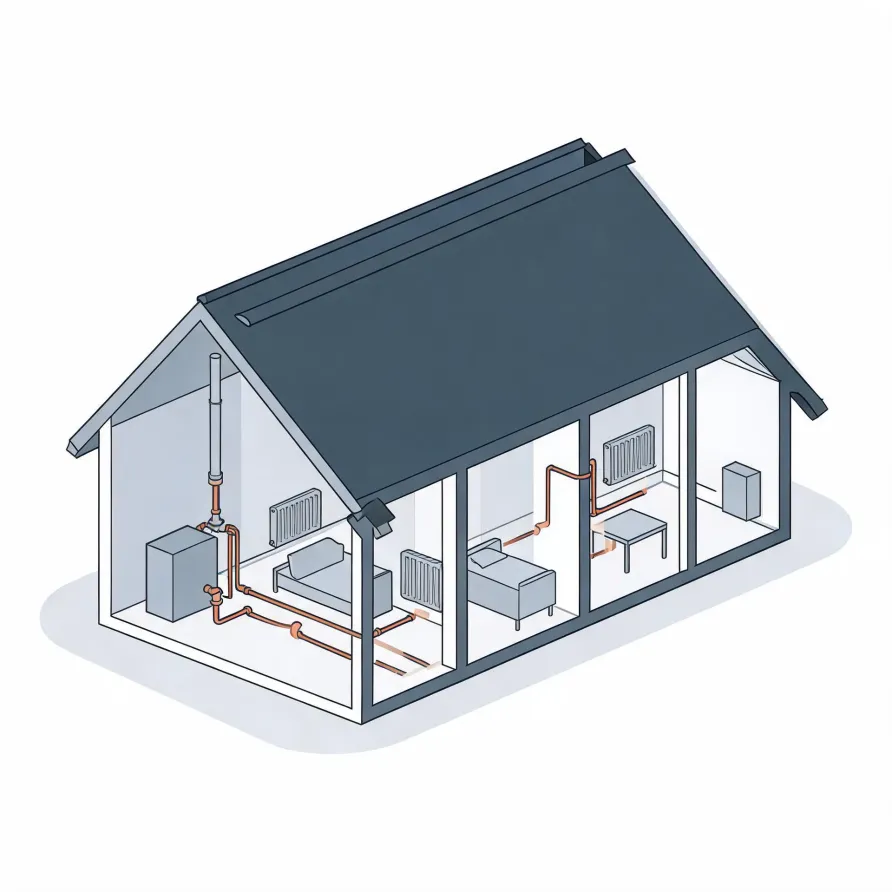
The boiler itself sits in the basement or a utility room and is the piece a contractor looks at first. Inside it, the heat exchanger and the burner assembly are common sources of trouble: a cracked exchanger lets combustion gases migrate where they should not, and a failing burner shows up as uneven heat or a unit that will not fire. The pressure relief valve, mounted directly on the boiler, is another early stop because a faulty one can leave the system running at unsafe pressure.
From the boiler, a network of pipes carries hot water or steam to radiators or baseboard units in each room, and those terminal units are worth checking when a single zone is cold while others are warm. The circulator pump, which moves water through the loop, and the expansion tank, which sits nearby and absorbs pressure changes, are both parts a contractor examines when flow or pressure complaints point away from the boiler itself.
The drawing shows a typical boiler layout, and a licensed contractor determines which components apply to your specific system and where the fault actually lies.
Find a contractor in Allegheny CountyAllegheny County, by the numbers
690 severe weather events were recorded in Allegheny County, Pennsylvania between 2015 and 2024.
NOAA National Centers for Environmental Information, Storm Events Database, bulk CSV export, events 2015-01-01 through 2024-12-31.Half the homes in Allegheny County, Pennsylvania were built in 1957 or earlier (2020-2024 ACS 5-year).
U.S. Census Bureau, 2020-2024 American Community Survey 5-Year EstimatesAllegheny County, Pennsylvania holds 606,827 housing units (2020-2024 ACS 5-year).
U.S. Census Bureau, 2020-2024 American Community Survey 5-Year EstimatesOwners occupy 65.2% of the occupied homes in Allegheny County, Pennsylvania (2020-2024 ACS 5-year).
U.S. Census Bureau, 2020-2024 American Community Survey 5-Year EstimatesBoiler Repair Rules & Standards for Allegheny County, Pennsylvania3 codes, laws, and standards
Licensing and Legal Requirements in Allegheny County, Pennsylvania
Pennsylvania names the trade in its own definition: installing central heating or air conditioning is a home improvement under the Act, whether or not the equipment is affixed — so an HVAC installation is work the registration requirement reaches.
A Pennsylvania registration displaces the local one: no political subdivision may require a home improvement contractor to register, license or pay a fee on top of it, though building permits and local code enforcement still apply.
Pennsylvania requires home improvement contractor registration rather than a licence: nobody may hold themselves out as a contractor, or perform any home improvement, without first registering with the Bureau of Consumer Protection.
Severe Weather Events in Allegheny County
Extreme weather puts real stress on boiler systems, and Allegheny County's climate is its own kind of demanding. How hard local weather pushes heating equipment shapes what repair work looks like here, and how often it comes up.
690 severe weather events, 2015–2024. Source: NOAA National Centers for Environmental Information, Storm Events Database.