Tell us about the job
Takes about a minute. No obligation.
A contractor quoting boiler repair in Lackawanna County has to establish what the system has already been through before they can say what it needs. 177 severe weather events were recorded in Lackawanna County, Pennsylvania between 2015 and 2024. At that rate, severe weather is a standing condition here, and its effects accumulate in components that handle pressure and heat cycling. Seals, expansion tanks, and heat exchangers carry that load season after season. A repair quote that skips that history and jumps straight to parts may fix today's symptom and miss what drove it.
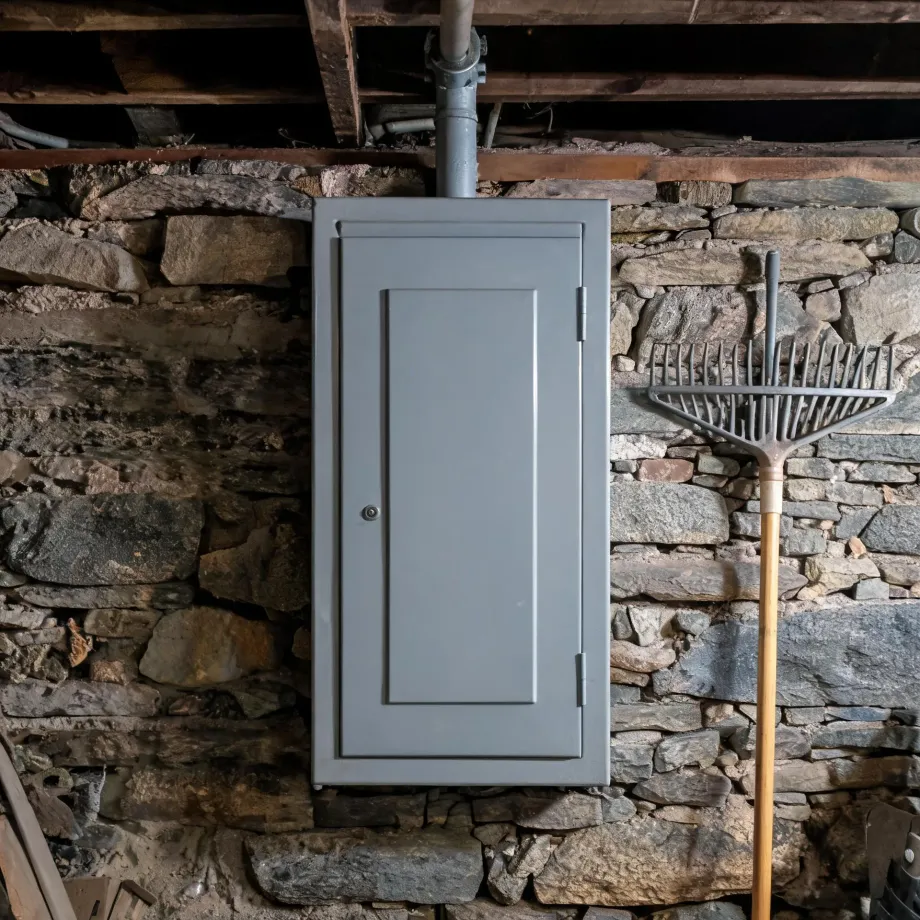
Boiler systems in prewar and early postwar houses were built for parts catalogs that no longer exist. Half the homes in Lackawanna County, Pennsylvania were built in 1955 or earlier (2020-2024 ACS 5-year). A contractor opening a unit here often finds components whose replacements have to be sourced from specialty suppliers, rebuilt from older stock, or substituted with modern equivalents that require additional fitting work. That parts question shapes the repair estimate more than the fault itself does.
The Parts of a Boiler a Contractor Checks First
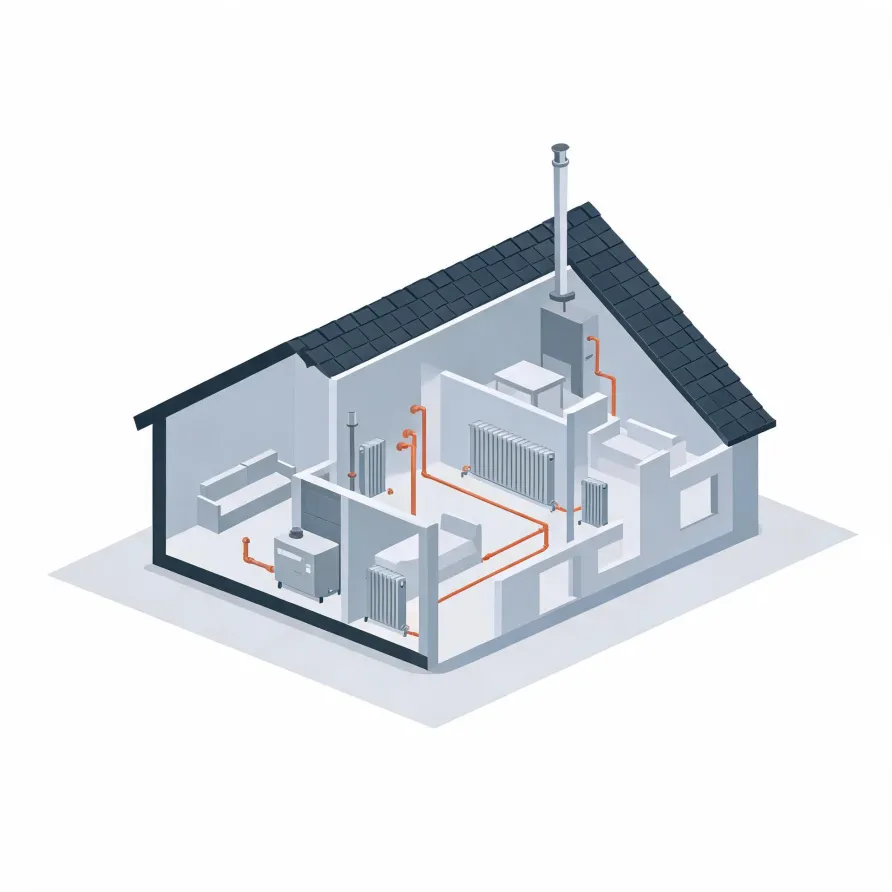
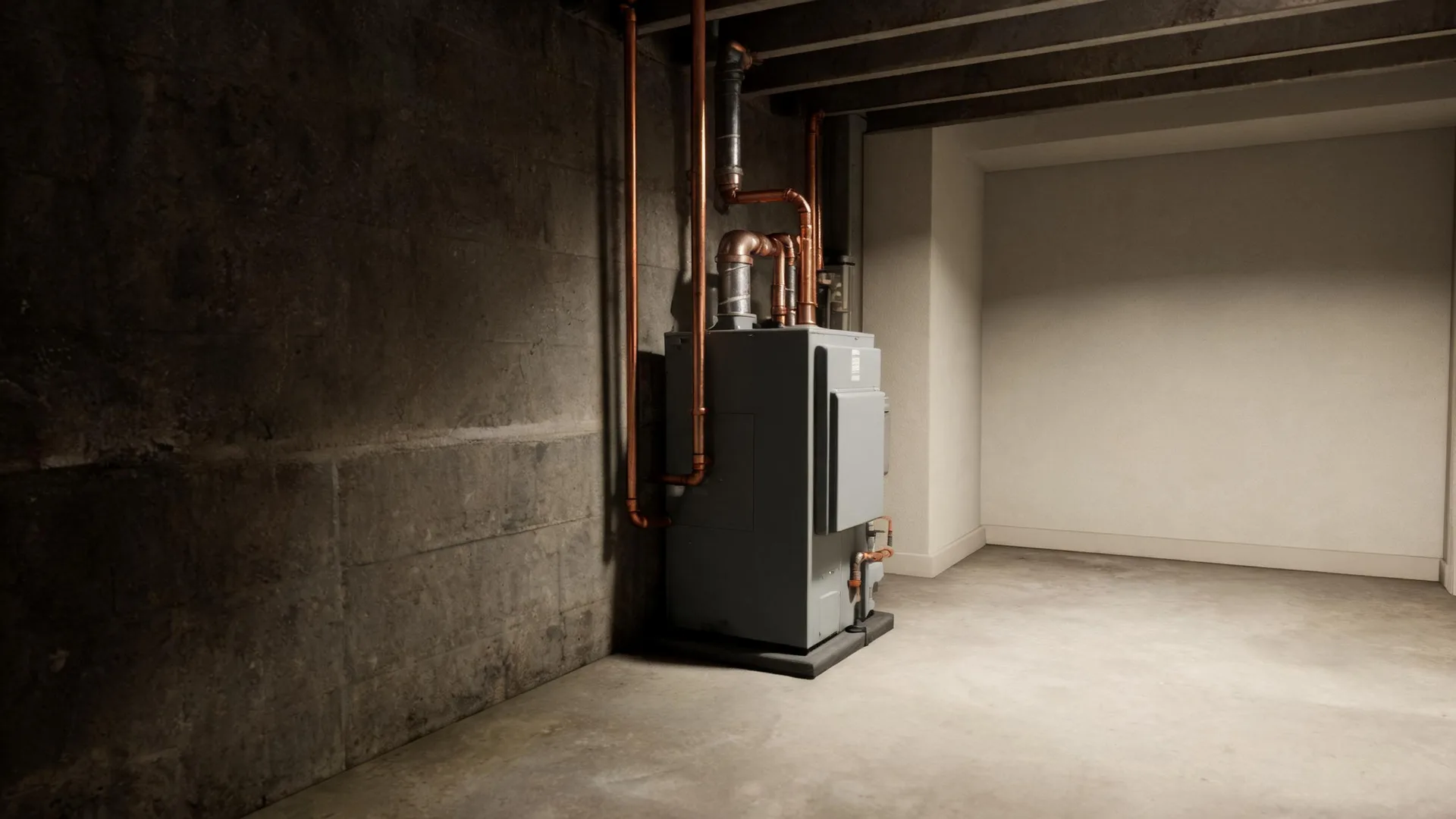
The boiler itself is the core unit, typically housed in a basement or utility room, and its job is to heat water that travels out to the rest of the house. The heat exchanger sits inside that unit and is where combustion gases transfer warmth to the water. When heat is uneven or the system runs but rooms stay cold, the heat exchanger and the burner assembly are where a contractor looks first.
From the boiler, pipes carry hot water to radiators or baseboard convectors positioned throughout the living spaces, each of which releases heat into the room. The circulator pump moves water through those pipes, and the expansion tank manages pressure as the water heats and cools. A failed pump or a waterlogged expansion tank produces symptoms that look similar, so both get checked early in a repair visit.
The drawing shows the general layout of a boiler system, and a licensed contractor determines which components and conditions apply to your specific house.
Find a contractor in Lackawanna CountyLackawanna County, by the numbers
177 severe weather events were recorded in Lackawanna County, Pennsylvania between 2015 and 2024.
NOAA National Centers for Environmental Information, Storm Events Database, bulk CSV export, events 2015-01-01 through 2024-12-31.Half the homes in Lackawanna County, Pennsylvania were built in 1955 or earlier (2020-2024 ACS 5-year).
U.S. Census Bureau, 2020-2024 American Community Survey 5-Year EstimatesLackawanna County, Pennsylvania holds 100,177 housing units (2020-2024 ACS 5-year).
U.S. Census Bureau, 2020-2024 American Community Survey 5-Year EstimatesOwners occupy 65.4% of the occupied homes in Lackawanna County, Pennsylvania (2020-2024 ACS 5-year).
U.S. Census Bureau, 2020-2024 American Community Survey 5-Year EstimatesBoiler Repair Rules & Standards in Lackawanna County, Pennsylvania3 sourced regulations and codes
What Lackawanna County and Pennsylvania Require for This Work
Pennsylvania names the trade in its own definition: installing central heating or air conditioning is a home improvement under the Act, whether or not the equipment is affixed — so an HVAC installation is work the registration requirement reaches.
A Pennsylvania registration displaces the local one: no political subdivision may require a home improvement contractor to register, license or pay a fee on top of it, though building permits and local code enforcement still apply.
Pennsylvania requires home improvement contractor registration rather than a licence: nobody may hold themselves out as a contractor, or perform any home improvement, without first registering with the Bureau of Consumer Protection.
Severe Weather Events in Lackawanna County
Boilers work hardest when outside conditions put the most stress on a building's thermal envelope. How often that happens in Lackawanna County shapes how hard local equipment runs and how quickly wear accumulates.
177 severe weather events, 2015–2024. Source: NOAA National Centers for Environmental Information, Storm Events Database.