 Hand it off
How to bleed radiators before a Pennsylvania winter
Once you send the form, finding a pro is off your list.
Cold radiator at the top, hot at the bottom. That's trapped air, and it's worth sorting out before the first real cold snap hits Pennsylvania. A boiler pushing heat through radiators that won't bleed properly is working harder than it should, and gas isn't getting any cheaper to burn for heat you're not feeling.
Bleeding a radiator isn't hard to do once you know your system. But knowing your system is the part that trips people up. Some boilers need the pressure checked and topped off after you bleed each radiator, or you lose heat somewhere else in the house. Some have a particular order you're supposed to work through, room by room. Get it wrong and you're back where you started, or worse, with air pulled into a part of the loop that was fine before.
That's usually where this stops being a quick fix and starts being an afternoon spent on the phone. Calling around for a contractor who services boilers, explaining the same thing to three different answering services, waiting on callbacks that don't come, then doing it all again with the next name on the list. Most people don't have that afternoon to give, not with the cold already moving in.
Send the form on this page and that search is over. A licensed contractor who knows Pennsylvania boilers takes it from here. You stop being the one tracking down help and start being the one who already found it.
What's left after that is the actual job: bleeding the system, checking the pressure, making sure the boiler is ready for the months ahead. That part still takes the time it takes. But the part where you're hunting for someone to trust with it, that part is done the moment you send the form.
How do I bleed my radiators before winter in Pennsylvania?
A radiator that stays cold at the top while the bottom gets hot usually means air is trapped inside, and that air has to be let out before the system is asked to run hard all winter. You want to know how to actually do it yourself, and whether there's a trick to it, before the first cold snap hits.
Open the bleed valve with a key until water runs out steady, then close it
Every radiator has a small valve near the top, usually square, that takes a radiator key or a flathead screwdriver. Turn it a quarter turn and you'll hear air hissing out. Hold a cloth under it, because water follows once the air clears. When that water runs in a steady stream with no sputter, close the valve. Do this on every radiator in the house, starting with the one farthest from the boiler and working back toward it. Afterward, check the pressure gauge on the boiler itself. Letting air out drops the system pressure, and most gas boilers in Pennsylvania homes need that topped back up to run correctly once the cold sets in.




A radiator that won't bleed is one that doesn't get fully warm, so you turn the thermostat up to make the room comfortable, and the boiler runs longer to do it. Do that across a few rooms all winter and it shows up on the gas bill, at a time when power here already costs enough without the boiler working overtime too. Trapped air also means water is pushed through the system unevenly, and parts of the boiler can end up working harder than they're built for over months of that. Left alone past the first real cold snap, a cold radiator usually isn't fixed by itself, it tends to need the same bleeding later, except now you're doing it in January with the heat on and no good time to shut it down. Sorting it out now, while the house doesn't need the heat running hard yet, means checking it once instead of living with a cold spot and a higher bill until spring.
Winter nights average 23°F statewide
At 23°F overnight, a boiler is firing most of the night to keep rooms livable. Every radiator that bleeds clean gets full use of that heat. One that doesn't makes the boiler run longer to cover for it, night after night.
NOAA nClimDiv 1991-2020 county normals weighted by homes
Send one request and you're done looking
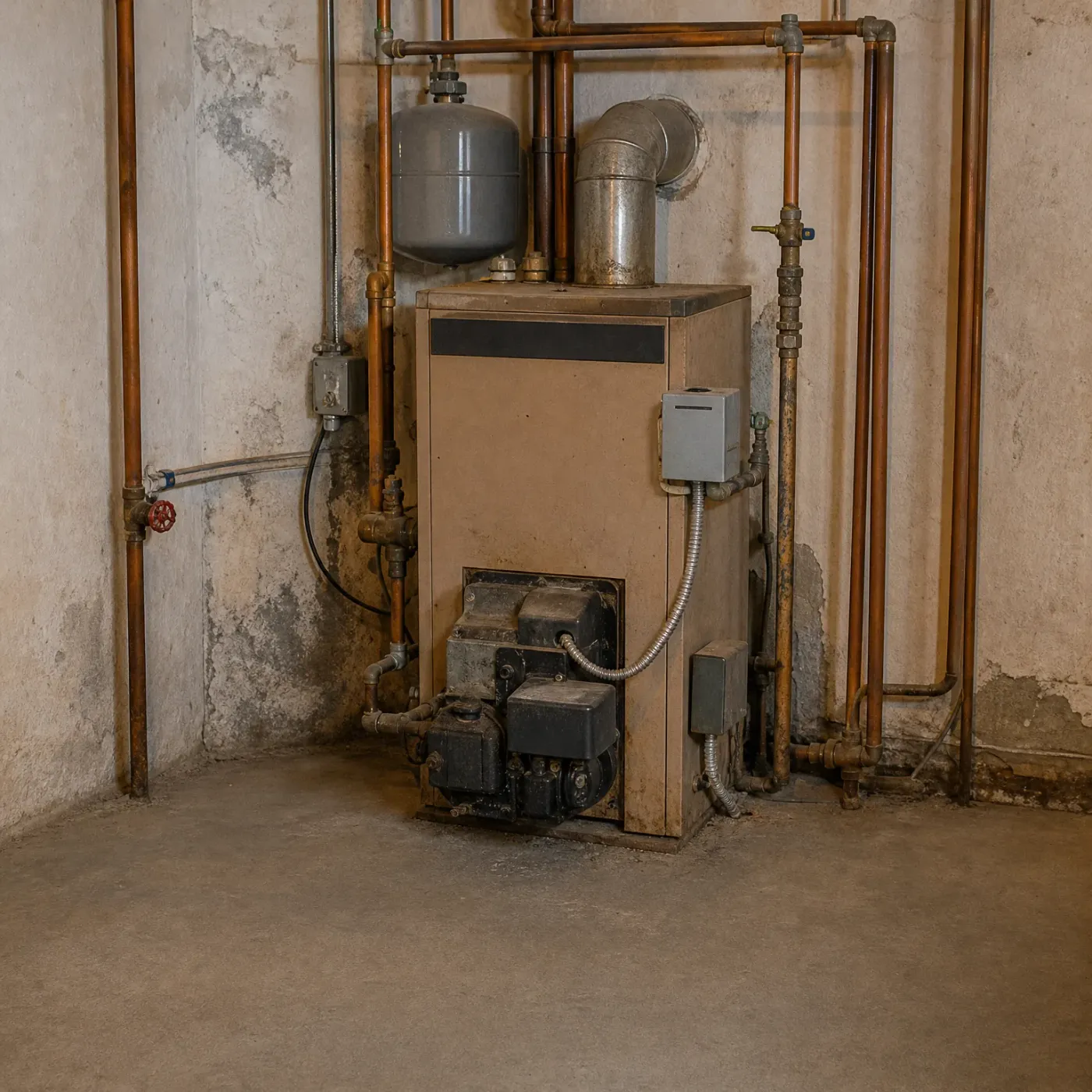
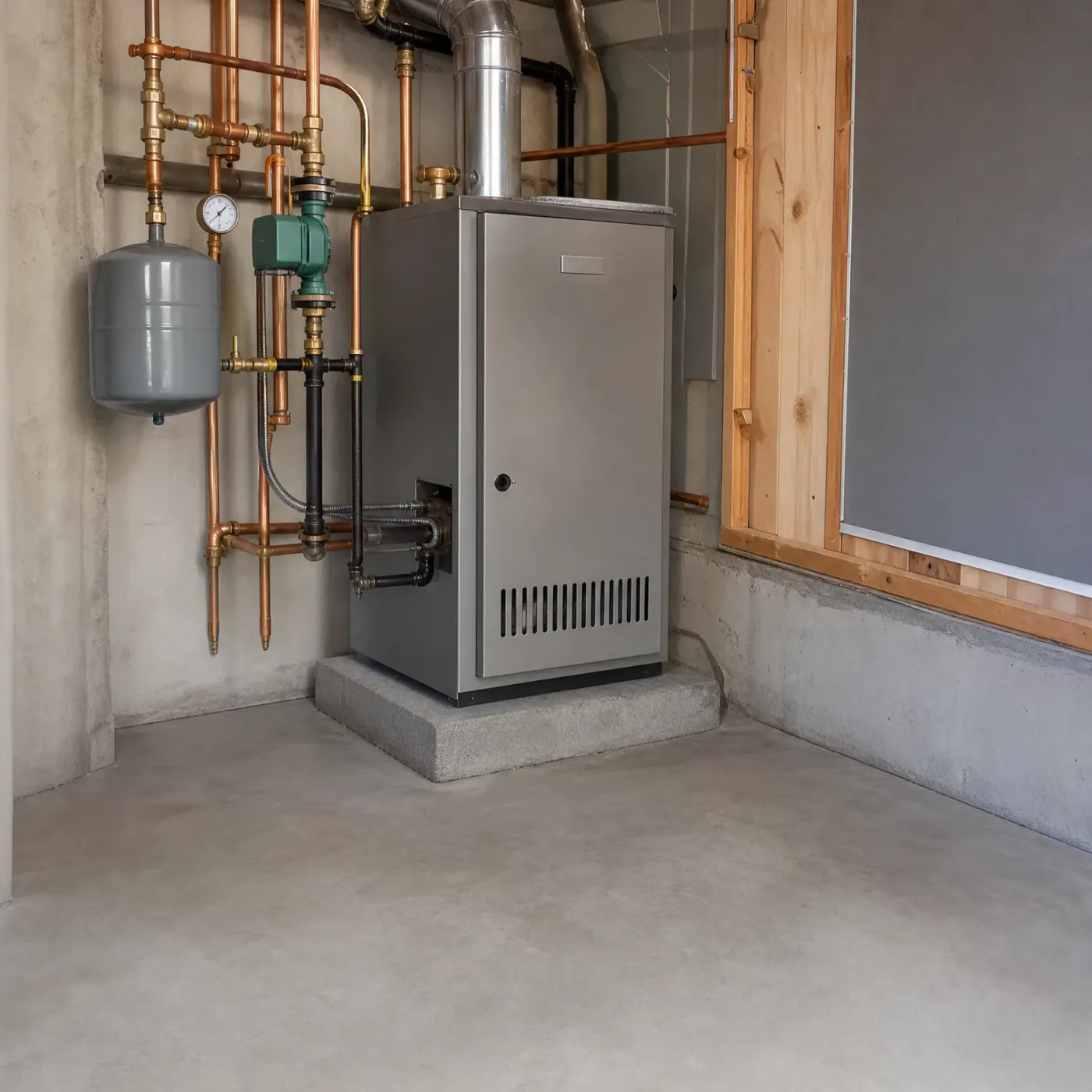
You can bleed a radiator yourself with a key and a rag, but a boiler that's been running since spring without a look benefits from more than that. A contractor checking the system before the cold sets in can catch a pressure problem or a valve that's seizing up, the kind of thing that turns into a no-heat call in January. Finding that contractor is the part that eats your evening: searching around, calling a few numbers, explaining the same cold-radiator problem three or four times, then weighing quotes that aren't quite comparable. Send the request once and that work is off your plate. You're not stuck making calls between now and the first cold snap, and you're not the one chasing anybody down. With gas rates what they are in Pennsylvania this winter, a boiler that's been checked over is one less thing working against you once it's firing every night.


Bleed It Yourself or Have It Checked
Bleed it yourself
- A radiator key turns the valve at the top, and a rag catches the water that follows once the air clears out.
- It takes a few minutes per radiator, and you can work through every room in the house in one afternoon.
- You'll know it's done when water comes out in a steady stream instead of a hiss of air.
- It doesn't tell you anything about the boiler's pressure, the valves feeding each radiator, or whether one of them is seizing up.
- If a radiator keeps going cold again within a few weeks, bleeding it again won't fix what's causing that.
Have it checked
- A contractor can bleed every radiator in the house and also check the boiler's pressure, which a key and a rag can't do.
- A valve that's seizing or a radiator that won't hold its bleed gets caught now, before the boiler is running every night.
- Checking the whole system once covers what you'd otherwise track room by room on your own, all winter.
- It answers whether the cold spots are trapped air or something in the system that needs a part replaced.
- Once it's booked, finding someone to do it stops being something you have to sort out yourself.

Boiler heats water and pumps it toward each radiator.
Air left in the pipes from summer rises to the top.
Trapped air blocks water from reaching the top of the radiator.
Radiator key opens the bleed valve and lets air hiss out.
Why does one room never get warm enough?
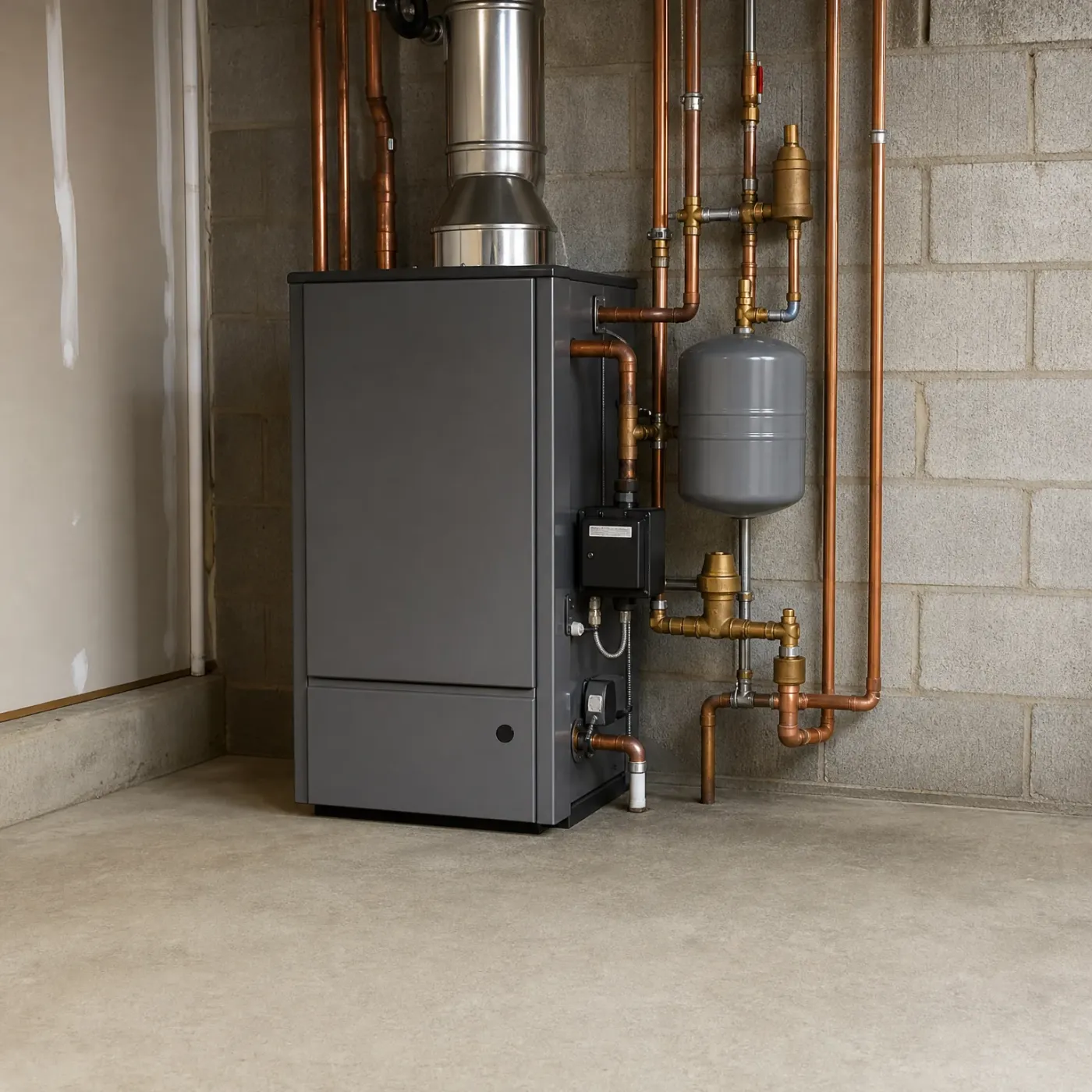
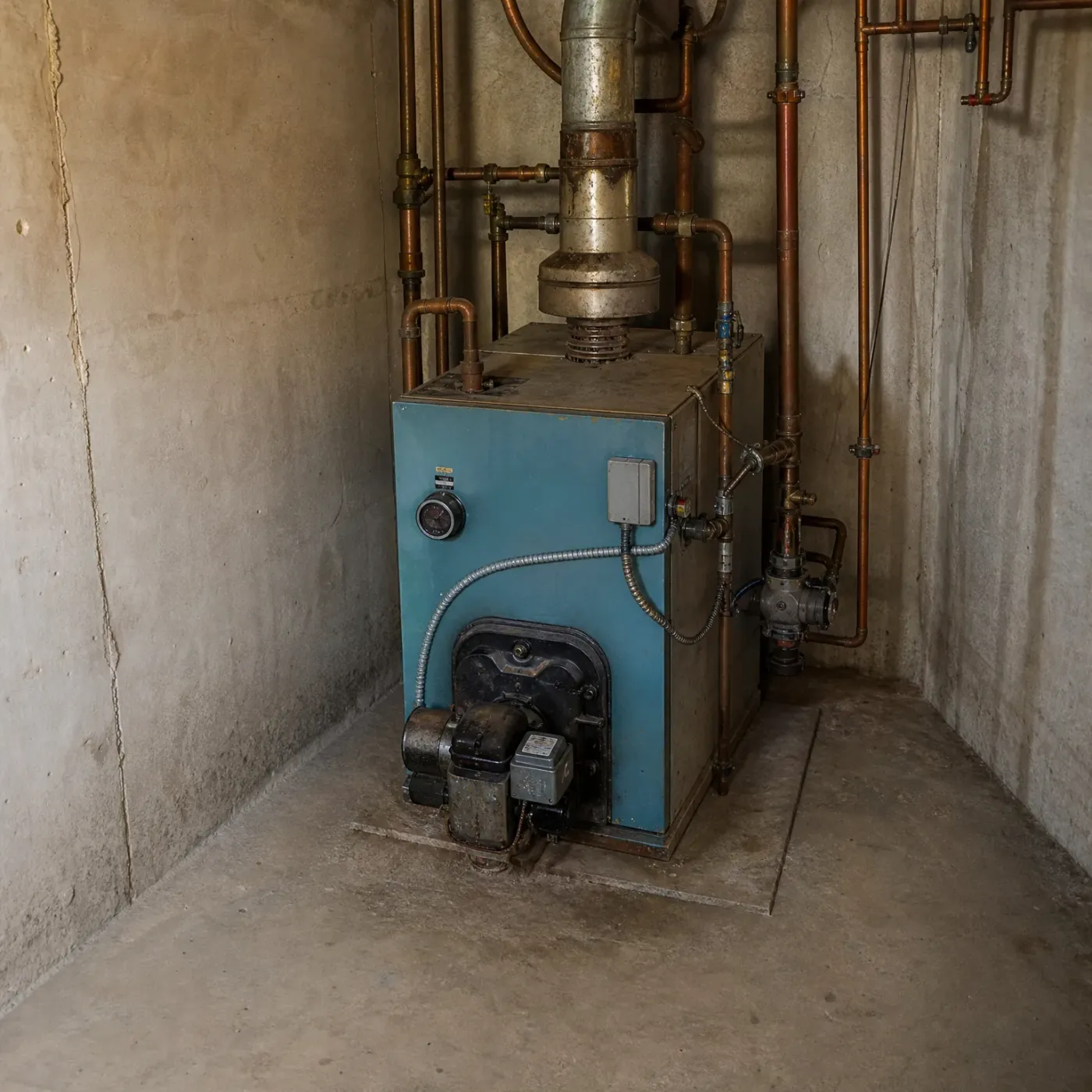
You turn the thermostat up and most of the house comes around, but that one room stays a few degrees short no matter what. Put a hand on the radiator and the bottom's hot, the top's cold, maybe a faint knocking or gurgling when the boiler kicks on. That's the air pocket sitting at the top, keeping hot water from filling the radiator the rest of the way. Left alone through a Pennsylvania winter, that room keeps asking the thermostat for more than it's getting, and the boiler keeps answering by running longer than it should have to. A cold radiator in January isn't just a cold radiator. It's a sign the system isn't moving heat the way it was built to.
Winter nights average 23°F statewide, and that cold doesn't let up for long stretches. A boiler built to heat your whole house through nights that cold needs every radiator pulling its weight. When one stays cold at the top, the room it's in loses heat to the outside faster than the boiler can replace it, so the burner cycles on again sooner than it should. You'd notice it as a room that never quite catches up, and a boiler that seems to run all night without much of a break. Source: NOAA climate data.
NOAA nClimDiv 1991-2020 county normals weighted by homes

A cold radiator has a simple fix, and a boiler deserves a look too
Bleeding a radiator is something you can do in an afternoon with a key and a rag, room by room, until every one of them heats evenly top to bottom. That part is on you, and it's worth doing before the cold settles in for good. What a key and a rag can't tell you is whether the pressure is holding, whether a valve is starting to seize, or whether the boiler itself is ready for a winter of 23°F nights.
Finding someone to check that is the part you don't have to carry. No searching through contractors, no calling around to see who answers, no explaining the same cold-top, hot-bottom radiator story three times over to three different companies. Send the form once and that search is off your plate. You'll still know what a clean bleed feels like under your hand. The rest of it, finding someone qualified to look at the boiler behind it, stops being something you have to sort out yourself.


Boiler Maintenance
Finding a pro stops being your job

- Describe your boiler job, and a local pro who handles it gets in touch.
- Say what's going on with your boiler, and a pro who works on them reaches out.

- Send the request and finding a pro stops being your problem.
- After this form, you can stop searching for a boiler pro.

- Fill out one form instead of calling around for a boiler tune-up.
- Fill out one short form instead of calling around.

- Your request goes to one pro, not a list of companies.
- The pro who reaches out is licensed in Pennsylvania.