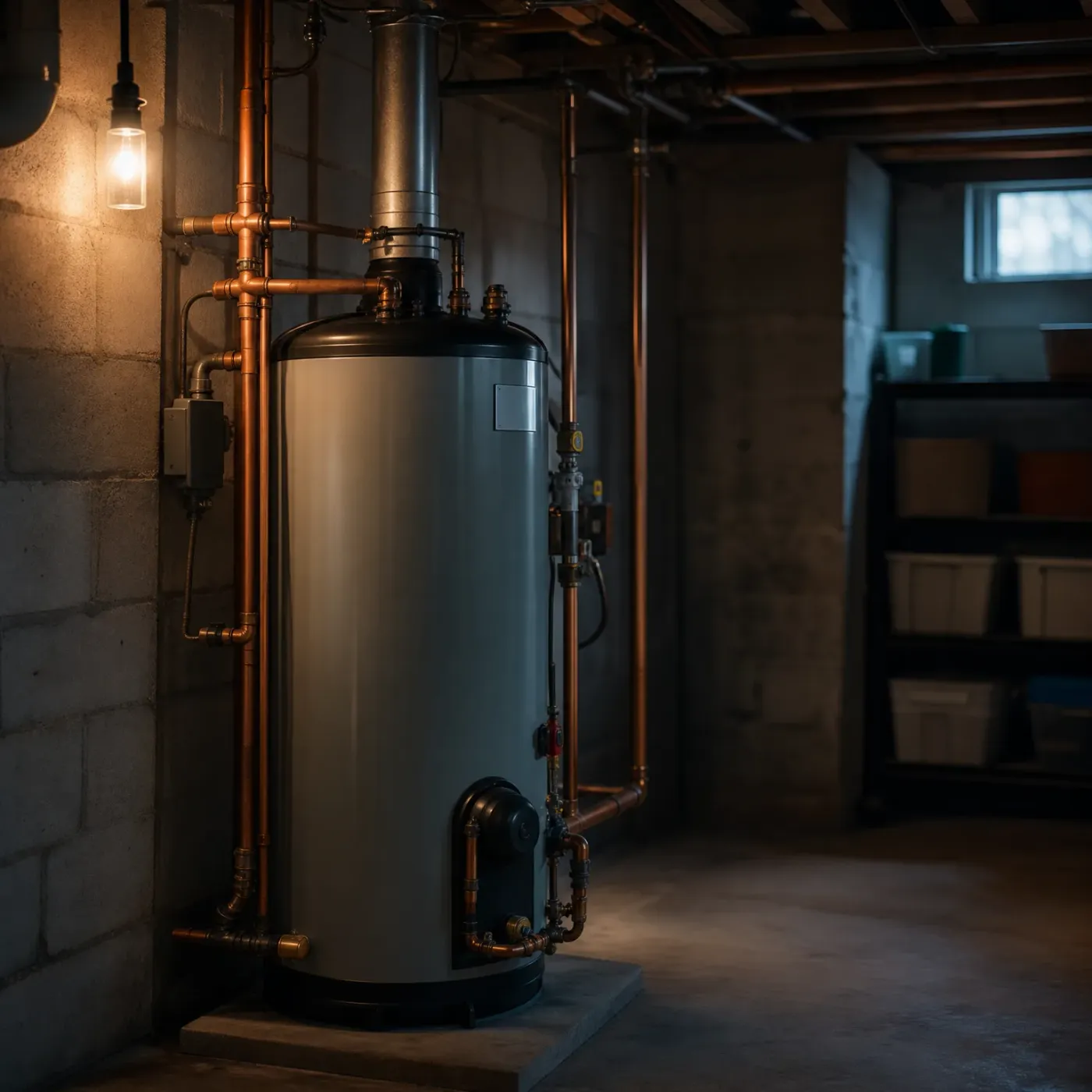




A cylindrical water heater or boiler with a flue pipe and copper piping stands on a concrete pad in a dim basement with concrete block walls, a hanging bulb at left and a shelving unit with bins at right.

A pro who works on boilers

Is a high-efficiency boiler worth it in Pennsylvania

Your gas bill here is tied to winter, and you want to know if a high-efficiency boiler actually lowers it enough to matter. That depends on the boiler you have now and how your house uses heat, which this page gets into. Answer that first, then get matched with a contractor who can look at your setup and reach out.

Connect with a pro

For most Pennsylvania homes, yes, if the boiler now is old enough to be running at standard efficiency. A standard gas boiler wastes a good amount of the fuel it burns, sending heat straight out the flue. A high-efficiency condensing boiler captures more of that heat before it leaves the house, which matters here because the heating season runs long, roughly October through April, and gas is what most homes burn to get through it. The gap between the two shows up most in the coldest stretch, when the boiler is running the longest hours. Whether it's worth it to you depends on what you have now. A boiler already running in the mid-90s percent range has little room left to gain. One installed decades ago, working at 65 to 75 percent efficiency, has a lot of that gap to close. The size of your house and how well it holds heat also decide how much of that difference you'd actually feel.

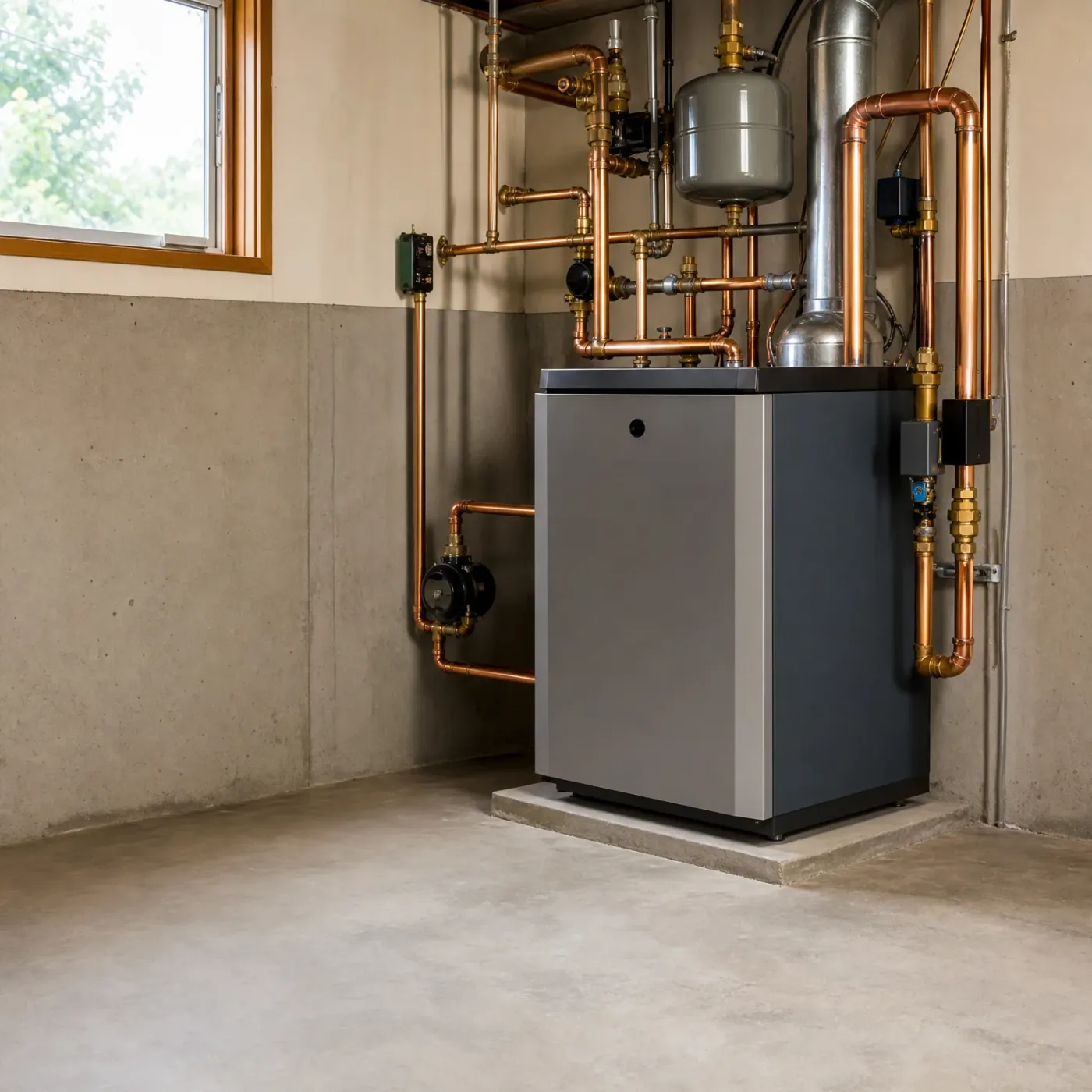
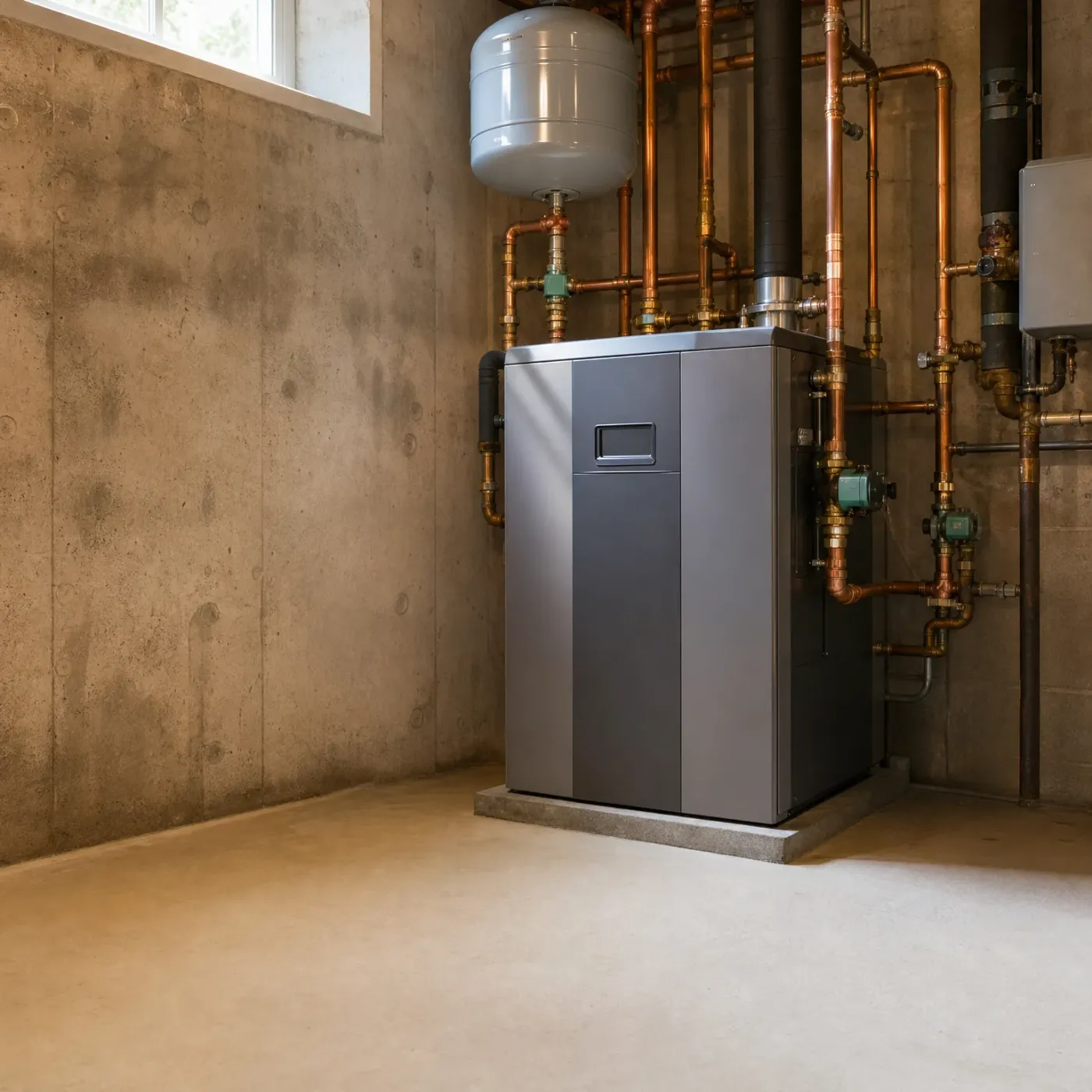
A gray boiler unit on a concrete pad in a basement corner, connected to copper piping, circulator pumps, and a ceiling-mounted expansion tank against bare concrete walls.
A sealed condensing boiler with its venting and piping run new, matched to the house it heats.
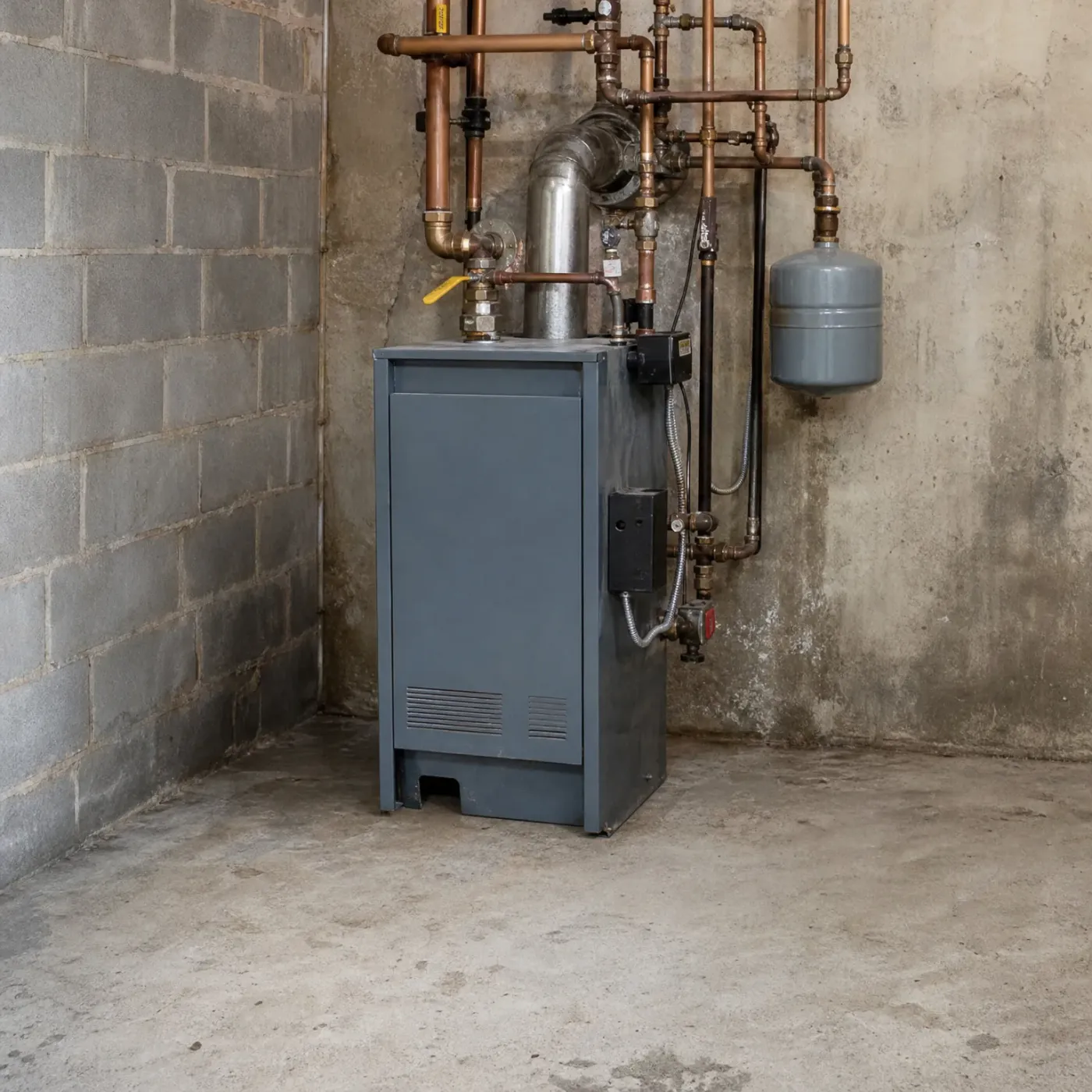
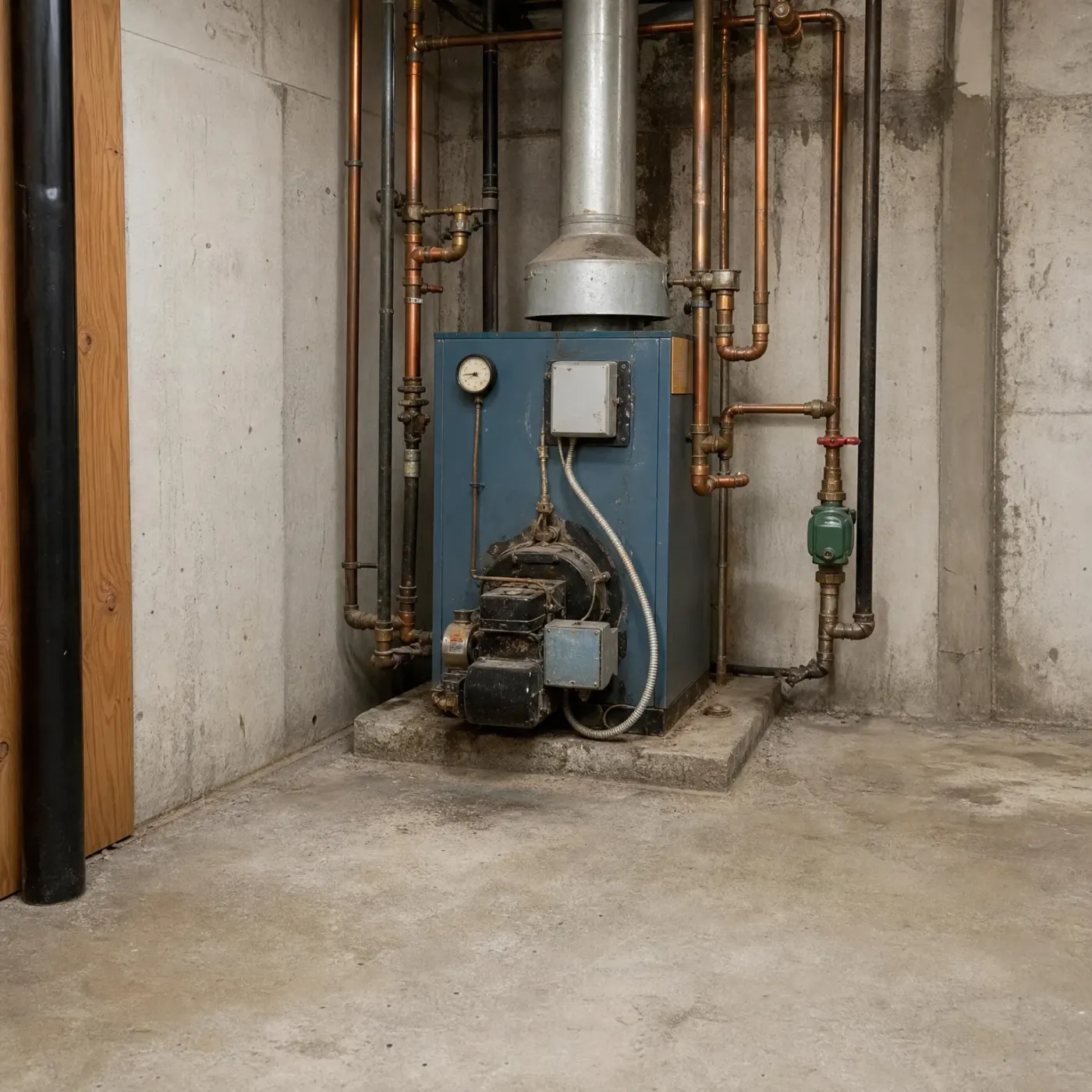
A blue oil-fired boiler with a pressure gauge, burner unit and metal flue sits on a concrete pad in a basement corner, surrounded by copper and black pipes against bare concrete walls.
An older standard boiler with a flue duct and a pressure gauge, still burning gas it sends up the chimney.

A standard boiler burns gas and lets a lot of that heat go straight up the flue, hot enough that it has to vent through metal pipe. A condensing boiler adds a second heat exchanger that pulls more heat out of the exhaust before it leaves the house. Cooling the exhaust that much makes the water vapor in it condense into liquid, so instead of a metal flue, the unit drains that condensate through a hose and vents through PVC pipe out the side of the house. That condensate is mildly acidic, which is why the heat exchanger and piping are built from stainless steel or aluminum instead of the materials in an older boiler. There's a catch worth knowing before you install one. A standard boiler runs at the same efficiency no matter what temperature the water is when it comes back from your radiators or baseboards. A condensing boiler only hits its best efficiency when that return water is cool enough for condensation to actually happen. How your system is set up to deliver heat affects whether you get the full benefit.

How a Condensing Boiler Works

  • A standard boiler burns gas and sends combustion gases up a flue hot enough to escape, usually above 300 degrees.
  • A condensing boiler has a second heat exchanger that pulls additional heat out of those same gases before they leave the house.
  • That second pass cools the exhaust enough that water vapor in it turns to liquid, which is why these units drain condensate through a hose instead of a metal flue.
  • Because the exhaust runs cooler, a condensing boiler vents through PVC pipe out a sidewall rather than up a chimney.
  • The condensate is mildly acidic, so the piping and heat exchanger are built from materials, like stainless steel or aluminum, that can take it.
  • A standard boiler holds its efficiency steady no matter the return water temperature, but a condensing unit only reaches its highest efficiency when the water coming back to it is cool enough to let condensation happen.
A gray-haired, bearded man in a dark coat dusted with snow stands smiling in a dimly lit room with a lamp, mirror, framed art, and a sofa in the background.
An older man with white hair and a beard, wearing a dark snow-dusted coat and scarf, stands in a warmly lit interior hallway with a framed landscape picture, a table lamp and a potted plant behind him, and a snowy view through a window at left.
An older man in a dark snow-flecked overcoat and scarf stands smiling in a warmly lit home entryway, with a glass-paned door showing darkness outside and a lamp-lit room visible through a doorway behind him.
An older man with gray hair and a beard, wearing a dark snow-dusted jacket and scarf, stands smiling in a warmly lit interior hallway with a lit table lamp, a vase of dried branches, and a framed picture in the background.

How the venting gives it away

A standard boiler vents through a metal flue that runs up and out through the roof or a chimney, because the exhaust stays hot enough to rise on its own. A condensing boiler vents through PVC pipe out a side wall, low to the ground, because the exhaust has cooled off enough by the time it leaves. If you can walk outside and find PVC pipe coming out near the foundation instead of a metal flue going up, your boiler is already condensing. If all you see is a flue climbing through the roof, it's standard.


What the pressure gauge tells you

Most standard boilers run hot water through cast iron or steel at a fixed high temperature, because that's what it takes to keep the flue gas from condensing on its way out. A condensing boiler can run at much lower water temperatures and still heat the house, since it's built to let that condensing happen on purpose, inside, where the second heat exchanger catches it. If your system has a single pressure gauge and no digital readout adjusting the water temperature on the fly, that's another sign you're looking at the older style.

A woman wrapped in a cream textured blanket sits in an armchair beside a lit lamp and a dark window, with an open book in the foreground.
A smiling older woman with gray hair in a cream knit sweater stands in a dimly lit kitchen beside a window showing snow outside, with a round loaf of bread on the counter in the foreground.
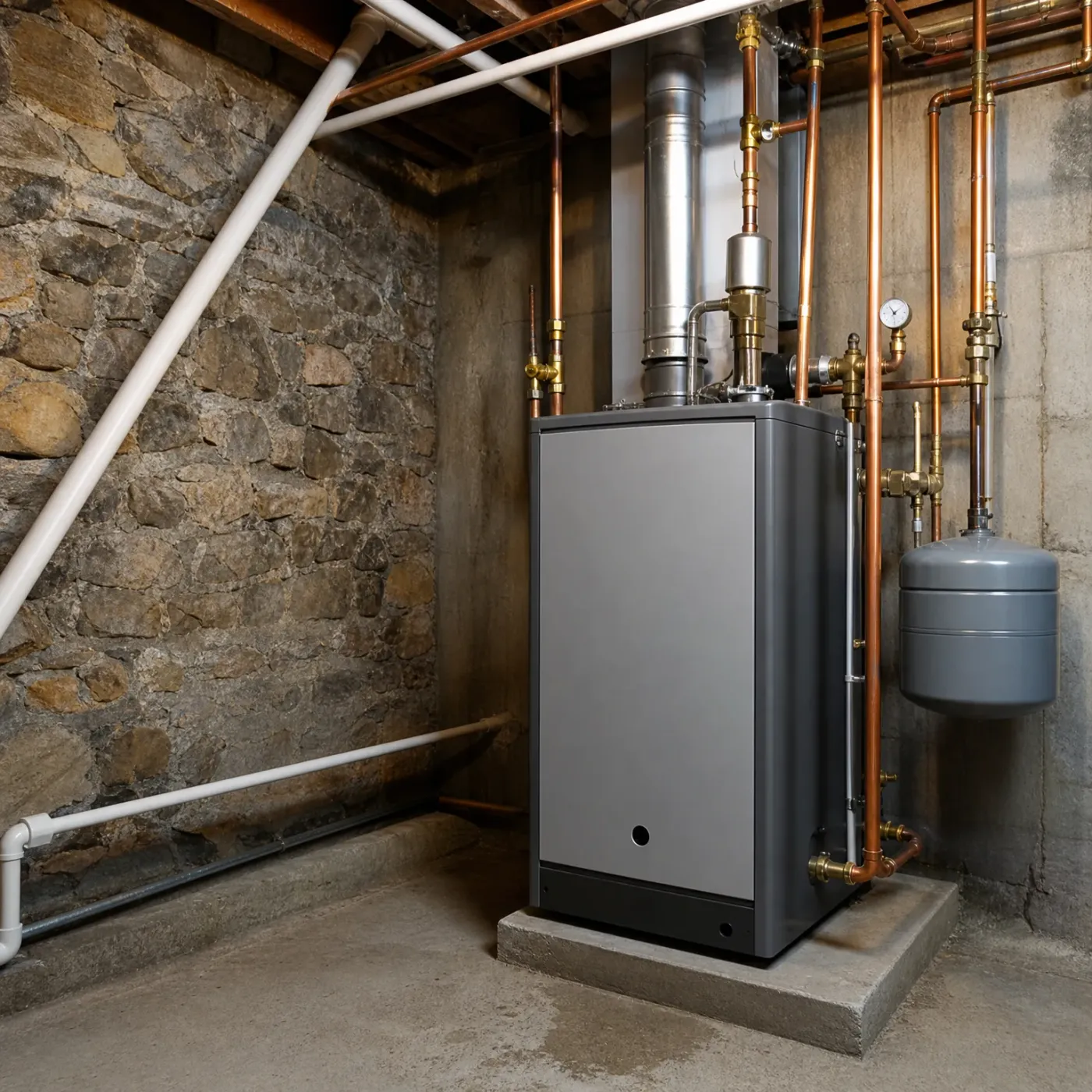
A gray floor-standing boiler on a concrete pad in a basement, connected to copper piping, a metal flue, a gauge, and a gray expansion tank, beside a stone wall and white insulated pipes.

Get your boiler to the right pro

Skip collecting and comparing quotes for the new boiler.

Get in touch with a local installer about a new boiler.

Find a pro near me

You're not committing to anything by asking.

Standard Boiler or High-Efficiency

Stay with standard efficiency

  • No venting changes to make, since the metal flue already runs to the roof or chimney and keeps working as is.
  • Upfront cost is lower, because there is no condensate drain or PVC venting to add during installation.
  • The boiler can sit in the same spot, with no need to reroute piping through an exterior wall.
  • If the house is older and loses heat fast, the gas savings from switching may take longer to add up.
  • Parts and service for standard boilers are common, since most contractors in Pennsylvania have worked on them for decades.

Switch to high-efficiency

  • Gas use drops for the same heat output, which matters most in a Pennsylvania winter when the boiler runs for months.
  • Installation needs new PVC venting out a side wall and a condensate drain to handle the water the unit produces.
  • The unit runs at a lower flue temperature, so it can sit closer to where it vents without needing a tall chimney run.
  • Upfront cost is higher than a standard boiler of the same size, before counting what the venting work adds.
  • It pairs well with a house that already holds heat decently, since the lower return temperatures used by the system work best with even heat distribution.
  • Electric rates in Pennsylvania are high, so a boiler that burns less gas for the same heat keeps more of the savings on the bill.
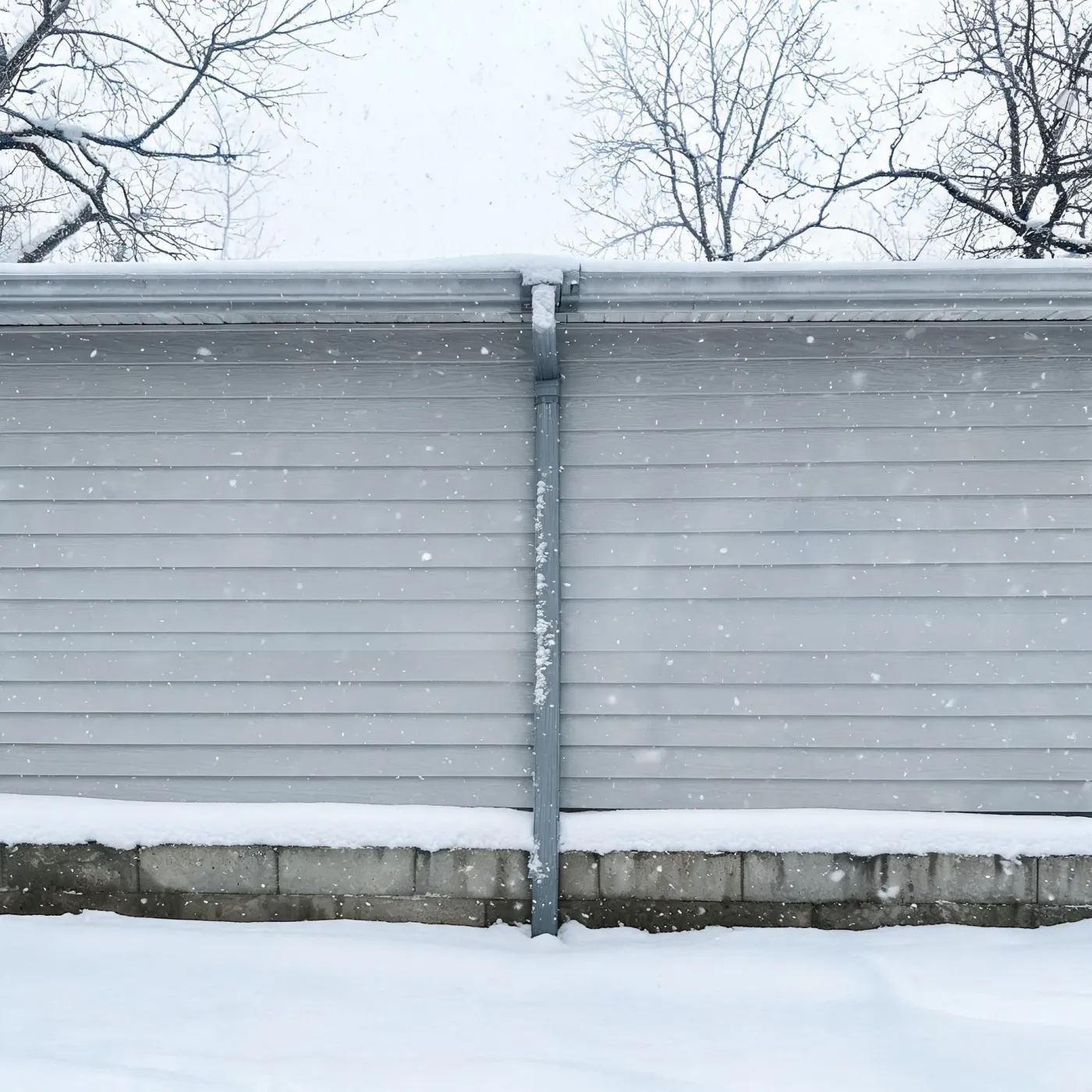
Exterior wall of a building with gray horizontal siding, a metal downspout at center, and a concrete block foundation, with snow on the roof edge, ledge, and ground, and bare trees against an overcast sky during falling snow.

Statewide, winter nights average 23°F, according to NOAA. That's cold enough that your boiler isn't cycling on and off for a few hours a day, it's holding a steady burn most of the night, every night, from December through February. A standard boiler running that many hours sends a lot of heat straight up the flue while it works. A condensing boiler pulls more of that heat back out before it leaves, so on the coldest nights, when your old boiler is burning the most gas to keep up, a high-efficiency one is doing the same job on less fuel. The colder the night, the more that difference shows up on the bill.

NOAA nClimDiv 1991-2020 county normals weighted by homes

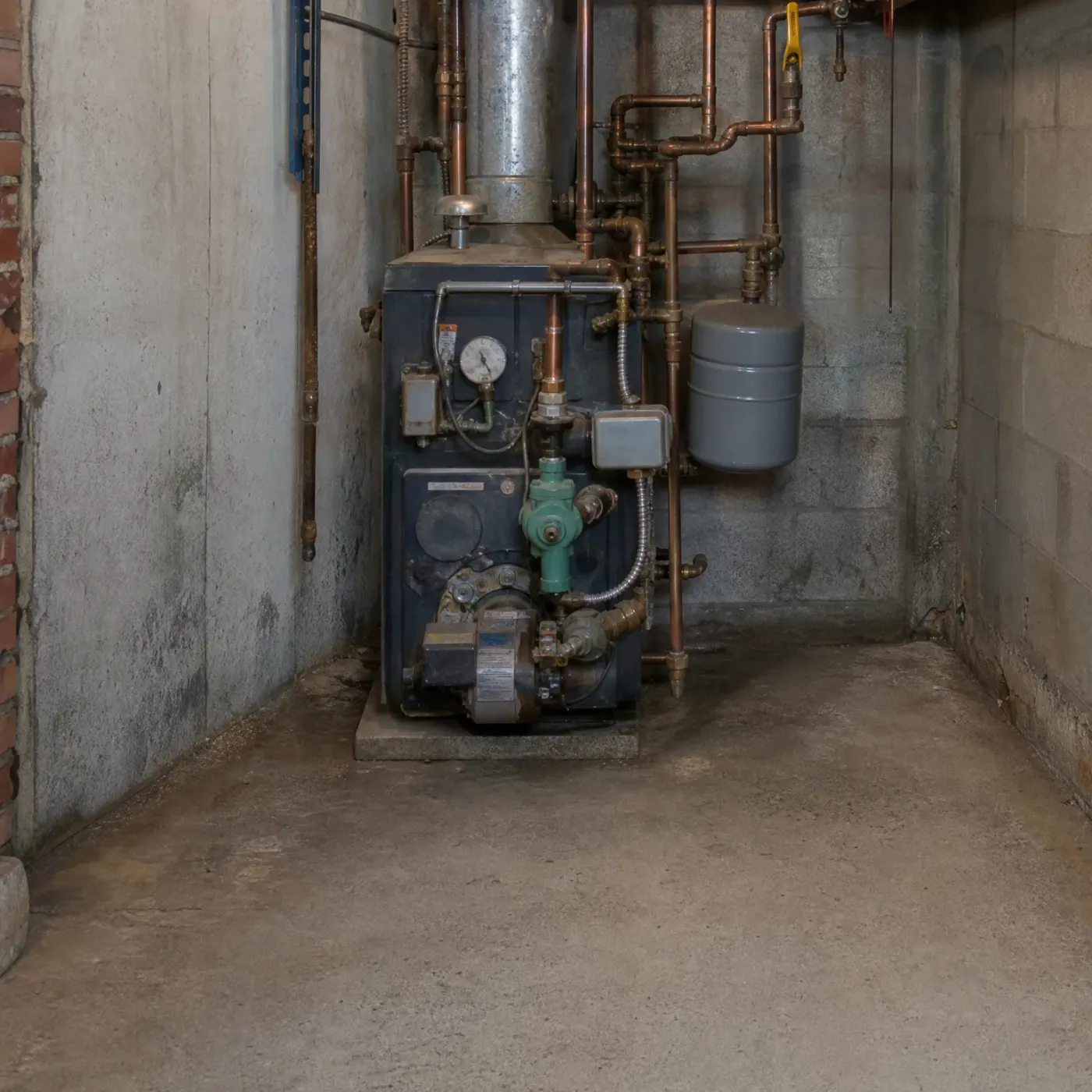
A dark cast-iron boiler with copper piping, pressure gauge, and a gray expansion tank sits on a concrete pad in a basement corner with concrete block and brick walls.
Before you get your boiler installation
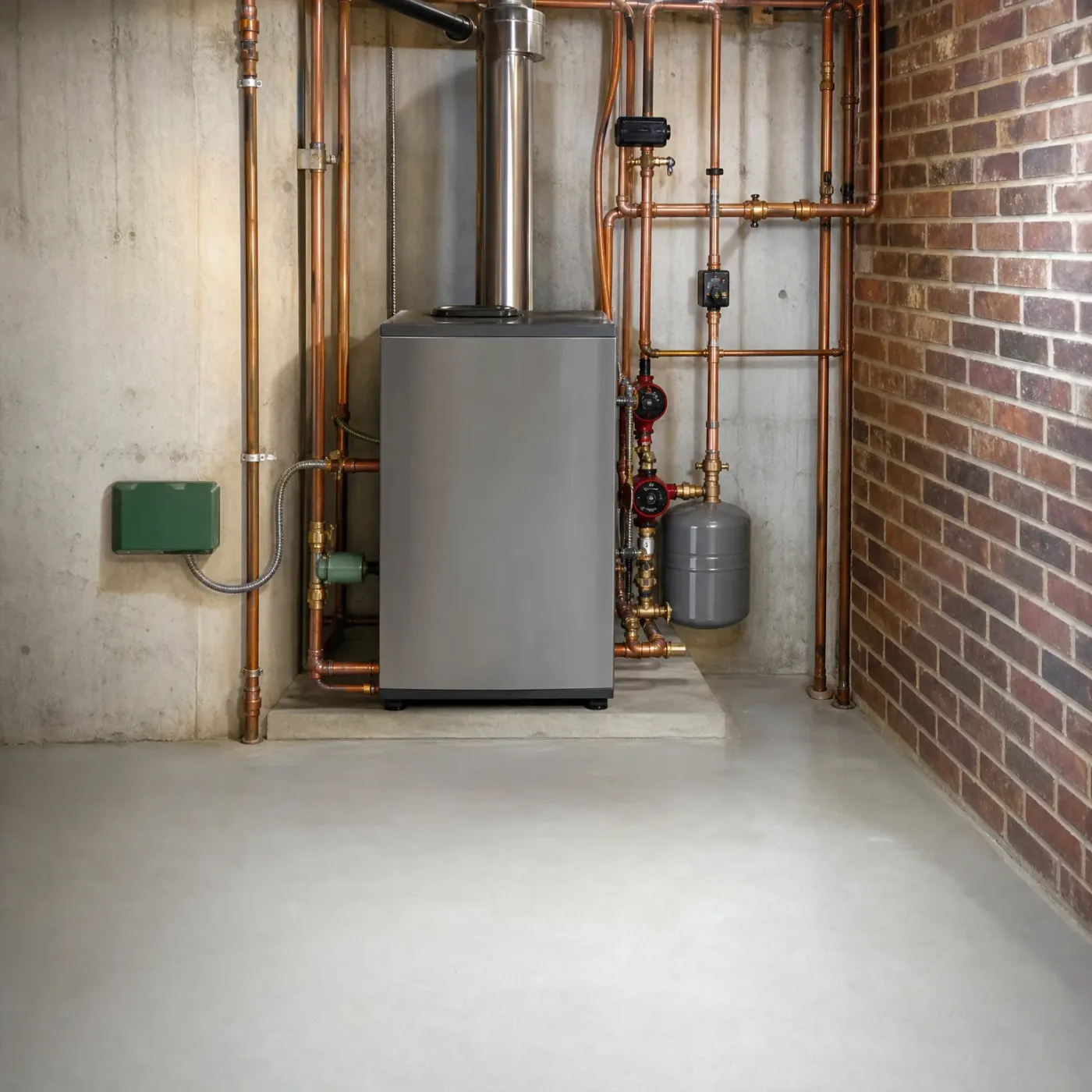
A gray boiler on a concrete pad in a basement, connected to copper piping, valves, pumps and a gray expansion tank, with a concrete wall on the left and a brick wall on the right.
After you get your boiler installation
A gray floor-standing boiler on a concrete pad in a basement corner, connected to copper piping, brass valves, a circulator pump, an expansion tank, and a metal flue, with a window at upper left.

A condensing boiler installed right

The PVC vent runs out the side wall, not up a chimney. A condensate line carries off the acidic water the second heat exchanger wrings out of the exhaust. The copper piping and circulator pump are sized to the house they're heating, not just swapped in to match what was there before.

A gray floor-standing boiler in a basement corner with copper and black piping above it, a flue vent, and a gray expansion tank mounted on the concrete wall beside a concrete block wall.

A standard boiler still earning its keep

This one vents through a metal flue and still pushes gas up it hot enough to rise on its own. The expansion tank and copper piping may be original to the system. Nothing here is failing, but every winter it runs, it's sending heat you paid for out through that flue.

Winter nights average 23°F statewide

At 23°F, your boiler is firing for hours at a stretch, not short bursts. A standard boiler holding that kind of steady burn all night sends a lot of heated exhaust straight up the flue. A condensing boiler recovers more of that heat before it leaves the house, which adds up over a full Pennsylvania winter.

NOAA nClimDiv 1991-2020 county normals weighted by homes

  1. Burner fires and sends hot exhaust gas into the first heat exchanger.

  2. First heat exchanger transfers heat into the water loop that feeds your radiators.

  3. Exhaust gas moves into the second heat exchanger before it can escape.

  4. Second heat exchanger pulls more heat out, cooling the exhaust until it condenses.

A woman stands in the open doorway of a white stucco house holding the dark door, facing a man in a black cap and shirt seen from behind in the blurred foreground, with a potted flowering plant beside the entry.

A high-efficiency boiler earns its keep in a Pennsylvania winter

An old standard boiler burning gas and sending heat up the flue all winter is the clearest case for switching. A condensing boiler installed right, with the venting and piping sized to your house, gets more heat out of the same gas. That's the answer, and it holds for most homes here heating with gas through a Pennsylvania winter.

What's left is matching the install to your house, your radiators, your existing gas line, and that's not something to sort out alone over the phone with three different companies. Getting matched with a contractor who knows this work means you explain your situation once, to someone who can actually size the job, instead of repeating it to every name you find searching around. They reach out to you from there.

A wooden table holding a stone vase with a bare branch, two stacked books and a small dark bowl, beside a window with green foliage outside and a sofa in the dim background.
A single-story stucco house at dusk with a lit paver walkway lined by low path lights, desert plants and boulders in front, and distant mountains under an orange and blue sky.

Boiler Installation

The right pro for this job

Step 1 of 3: Equipment
  • A corner of a room with an upholstered wood-framed armchair holding a floral pillow, a round side table with a ceramic lamp, books and a vase of greenery, a framed landscape painting on the wall, a patterned rug, and a sunlit multi-pane window.
    • A local pro who knows boilers gets your details and gets in touch.
    • Describe your boiler job, and a local pro who handles it gets in touch.
  • Interior corner with a wood-framed window showing green foliage outside, a framed landscape print on a beige wall, and a rounded stone vase of leafy branches on a wooden cabinet.
    • Send the form and stop researching installers for the new boiler.
    • Send the form and the search for an installer is over.
  • A pale ceramic vase holding olive branches sits on a dark wooden countertop beside a carved wooden dough bowl, next to a wood-framed window and a light painted plank wall.
    • Describe the project once instead of to every installer.
    • Fill out one short form instead of calling around.
  • A dark wood round side table holding a brass lamp with a cream shade, a blue-and-white patterned bowl, and a white textured pot of greenery, beside an upholstered chair with a gray patterned cushion and a white-framed window showing green trees and flowering shrubs.
    • One installer gets your project, so there's no bidding war over it.
    • The pro who reaches out is licensed in Pennsylvania.