Why one radiator stays cold in a Pennsylvania winter

Step 1 of 3: Equipment

A cold radiator while the rest of the house heats usually means air is trapped where water needs to be, or the valve feeding it is stuck. Steam and hot water systems push heat through one loop, and if a radiator doesn't vent its air out or let water in, that one stays cold while the others work fine. The culprit is often the bleed valve, clogged or never opened, or a shutoff valve closed somewhere along the line, sometimes by a past owner. On a two-pipe system it can also mean a steam trap has failed. None of this means the boiler itself is failing. It's a plumbing problem inside the loop, not a heating problem at the source. Left alone through a Pennsylvania winter, that cold radiator forces the boiler to run longer to heat the rooms it can reach, which adds to a gas bill that's already working hard from October through March.

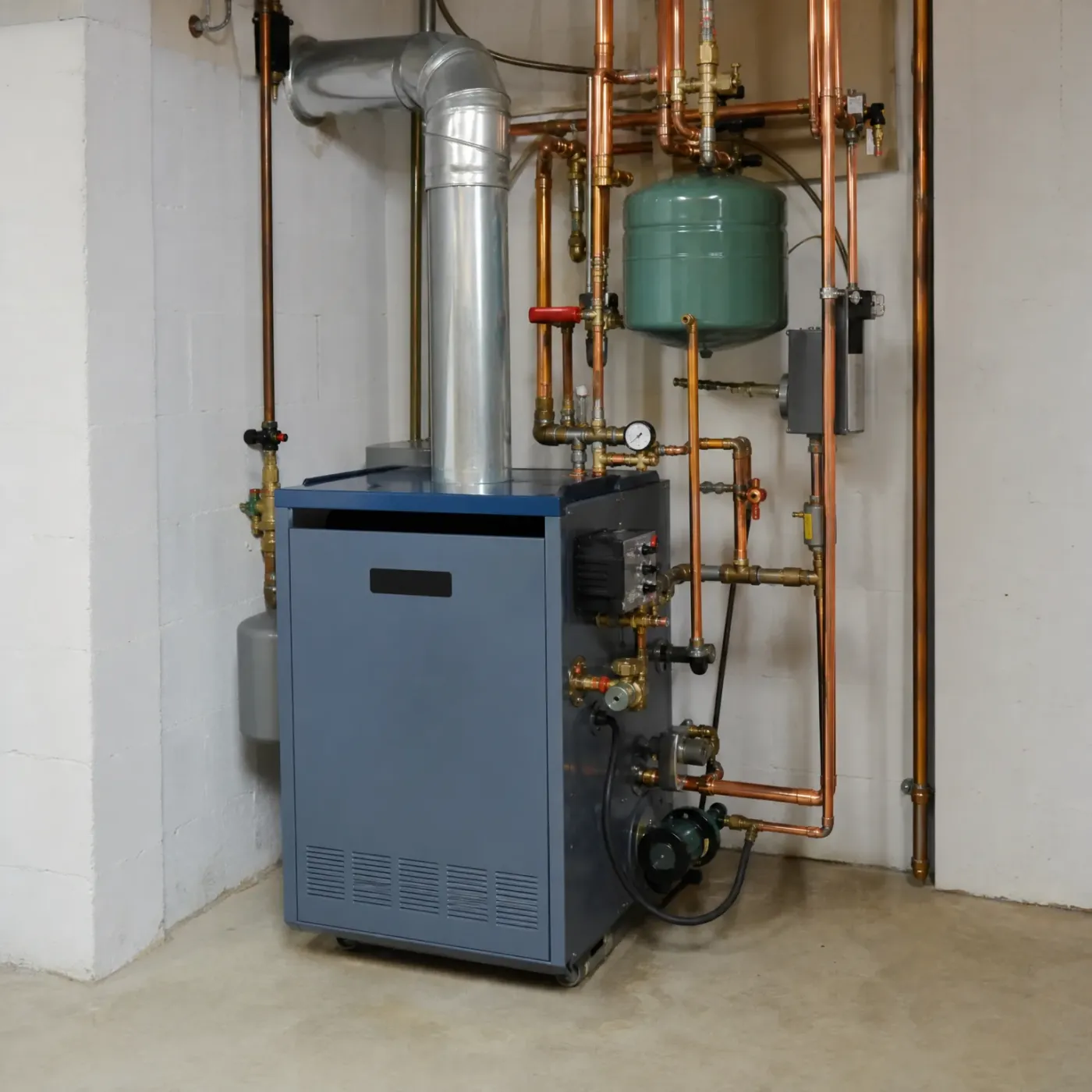
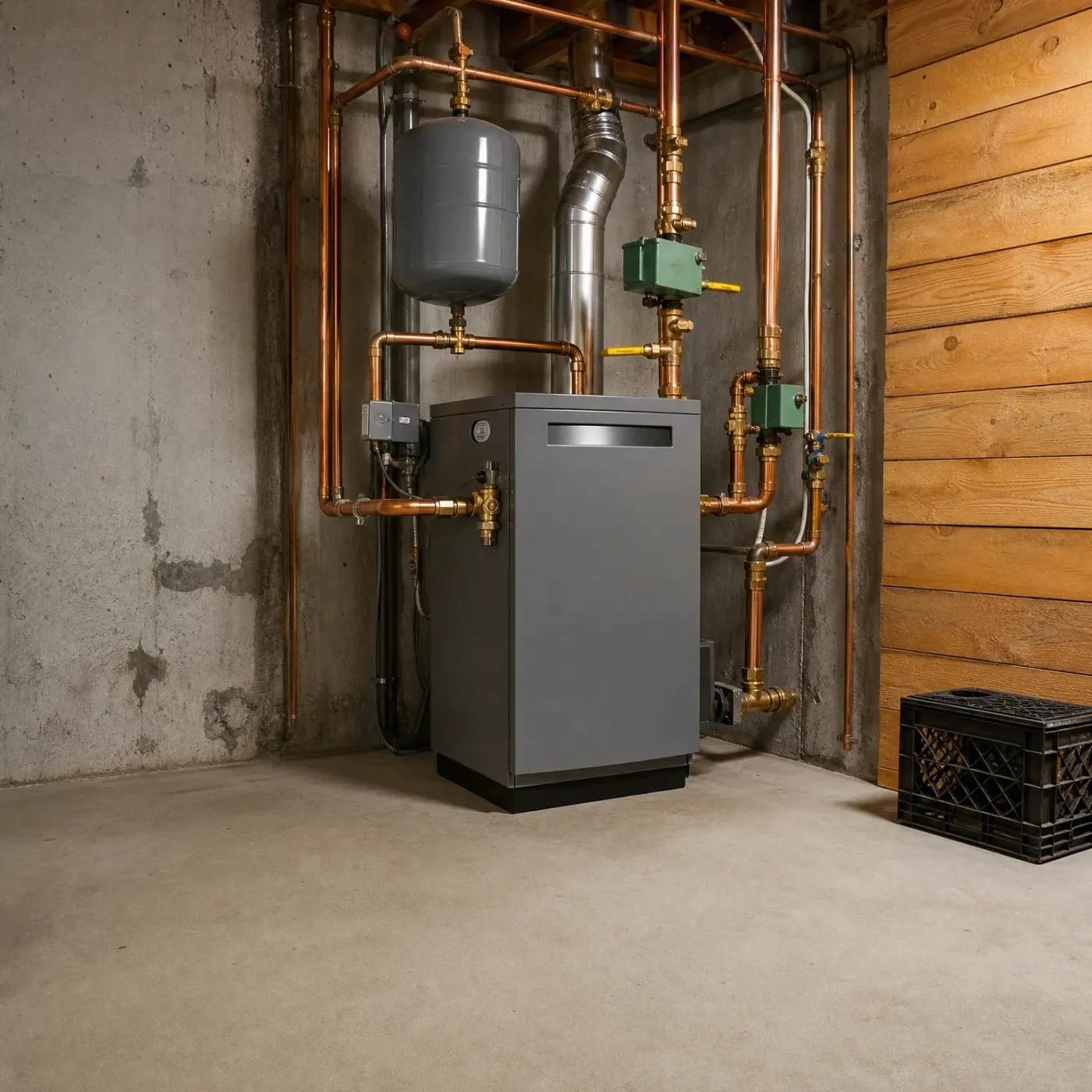
A gray boiler unit in a basement corner with copper piping, brass valves, a gray expansion tank, a metal flue duct, concrete walls and a wood-paneled wall, with a black plastic crate on the floor at right.

One loop, even heat

Water or steam moves through every radiator in turn, and each one bleeds off and takes its share. A system running right warms every room without you touching a valve. The zone boxes and controls in a setup like this are there to keep that balance across the whole house.
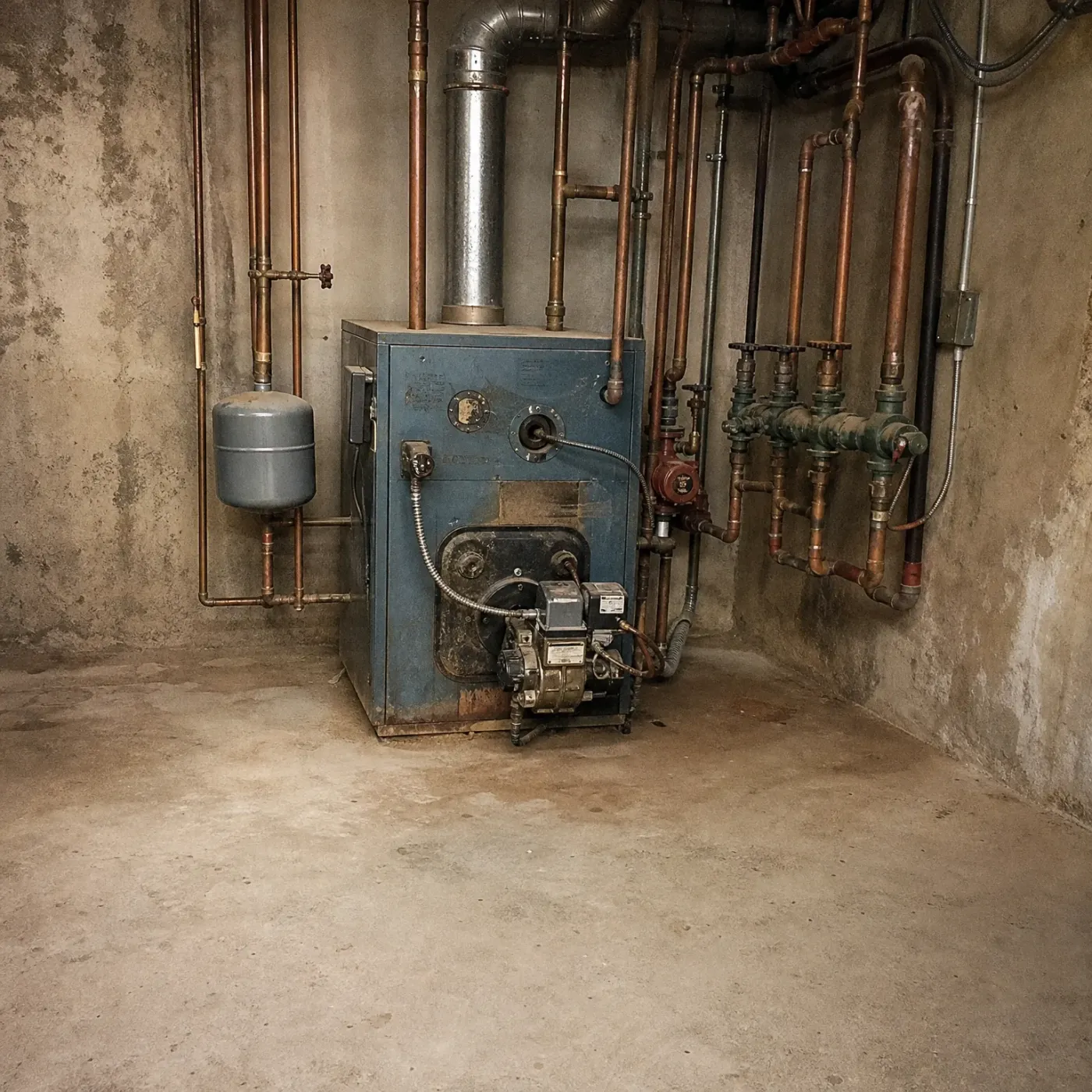

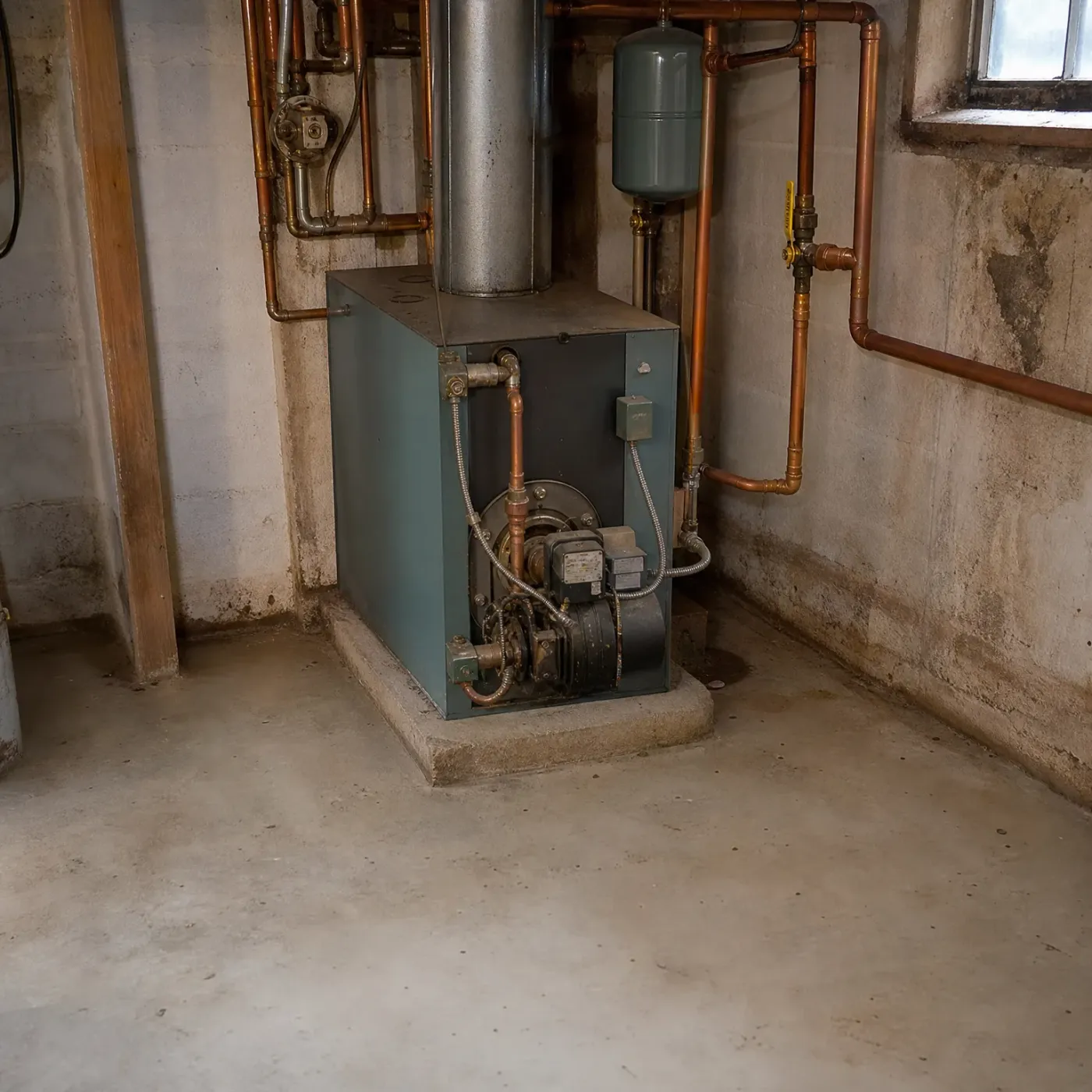
An older blue boiler with a burner unit stands in a concrete basement corner, connected to copper and steel piping, valves and a gray expansion tank on the wall.

One radiator, cut off

A stuck valve or an airbound line can leave a single radiator cold while the rest of the house is fine. Older piping and aging zone valves are more likely to stick or seize. The boiler itself may be running normally, which is why only that one room feels it.

A smiling man in a navy long-sleeve shirt sits at a wooden table in a kitchen and dining area, with a ceramic mug, a potted plant, and a sliding glass door behind him.
A smiling bearded man in a green henley shirt stands at a kitchen island with a gray mug, looking off to the side, with a dining area and shelves blurred behind him.
A smiling bearded man in a navy sweater sits at a white kitchen island with a ceramic mug, with open shelves, potted plants and a range hood behind him.
A smiling man in a dark olive long-sleeve shirt sits in a kitchen beside a counter with a dark mug, with a dining table, sideboard and hallway visible in the blurred background.

Hot water and steam get to a radiator the same way: through a loop, past a valve, and past whatever air is sitting in the pipe ahead of it. Air is the usual culprit. In a hot water system it collects at the bleed valve and sits there until you let it out with a radiator key, and once it's gone, water fills in behind it and the metal warms up. Steam works differently. It has its own air vent, and if that vent is clogged or painted over, the steam has nowhere to push the air, so it never gets in to fill the radiator. Either way, check the inlet valve at the bottom first. If it's only partway open, that radiator gets starved while the rest of the house heats fine. If the valve's open and the radiator's warm on top but cold at the bottom, that's not air anymore, that's sludge sitting in the bottom of the radiator blocking water from moving through. And if it's the last radiator on a long hot water loop that never gets warm at all, the circulator pump may not be pushing enough water to reach that far.

Why that one radiator won't heat

  • A hot water radiator stays cold when air gets stuck at the bleed valve and blocks the water pushing in behind it.
  • Opening the bleed valve with a radiator key lets the trapped air hiss out until water replaces it and the metal starts to warm.
  • A steam radiator stays cold when its air vent is clogged or painted shut, so steam can't push the old air out to make room for itself.
  • The inlet valve at the bottom of the radiator has to be all the way open, since a valve left partway shut starves that one radiator while others heat fine.
  • On a hot water system, a cold radiator at the far end of the loop can mean the circulator pump isn't moving enough water to reach it.
  • A radiator that's warm at the bottom but cold at the top usually has air in it, while cold at the bottom points to sludge or buildup blocking flow.
A green oil-fired boiler with a flue pipe, burner and circulator pumps sits on a concrete pad in a basement corner, surrounded by copper piping and an expansion tank against concrete walls.
Before you get your boiler repair
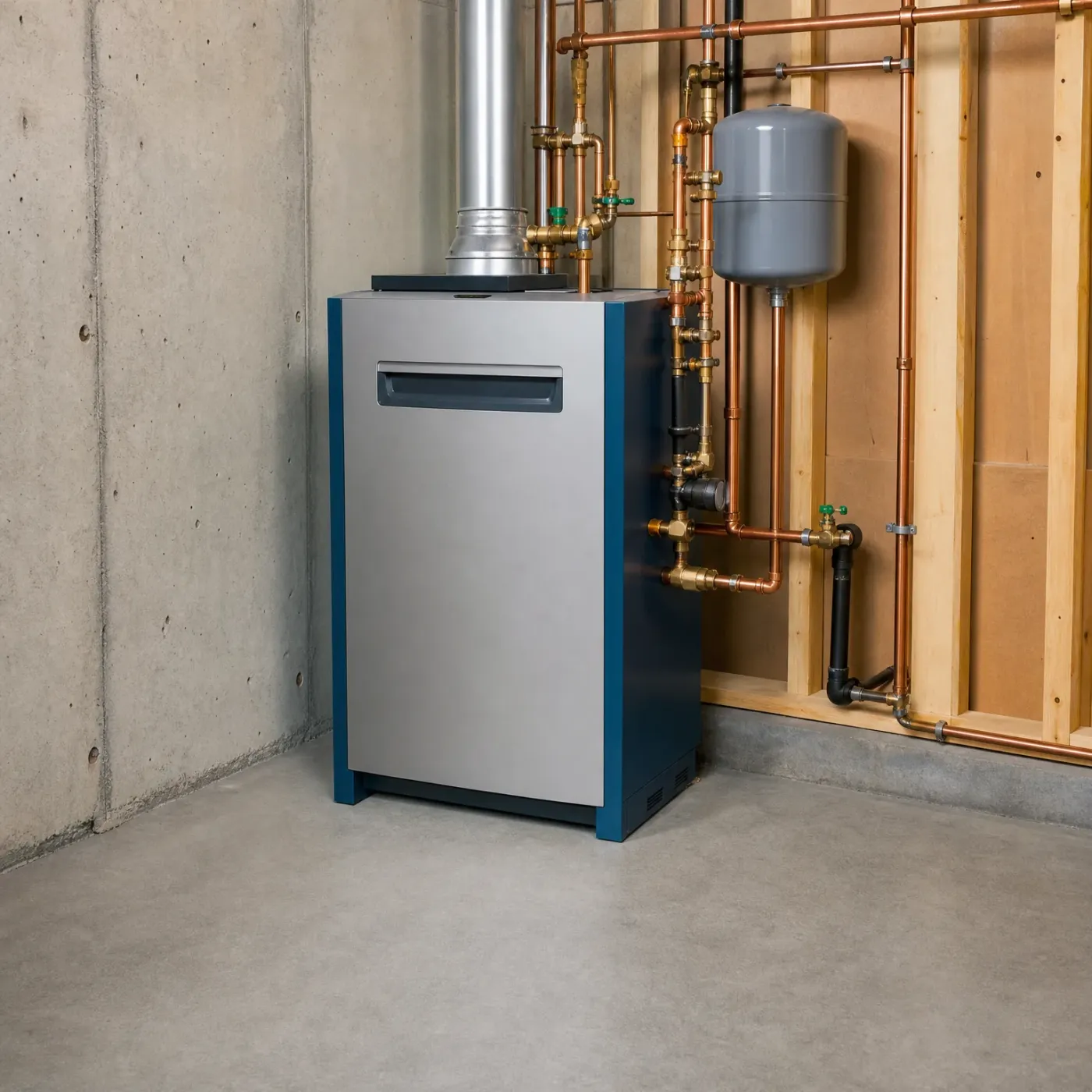
A gray and blue floor-standing boiler in a basement corner, with a metal flue pipe and copper and black piping, valves, and a gray expansion tank mounted on an unfinished wood-framed wall beside a concrete wall.
After you get your boiler repair

One cold radiator, one call

Instead of bleeding valves, checking the boiler, and calling around for someone who works on your system, you send one form and the search is off your hands.

Hand it over

Left alone, it spreads

A stuck valve or trapped air in one radiator can cut heat to that room all winter. Left unchecked, sediment and corrosion can reach other radiators on the same loop.

Hand it over
A closed dark laptop and a ceramic mug of coffee on a wooden dining table, with wooden chairs, a dark kitchen cabinet with cutting boards and a potted plant, and a leafy plant by a window in the background.

A cold radiator in January isn't just that room

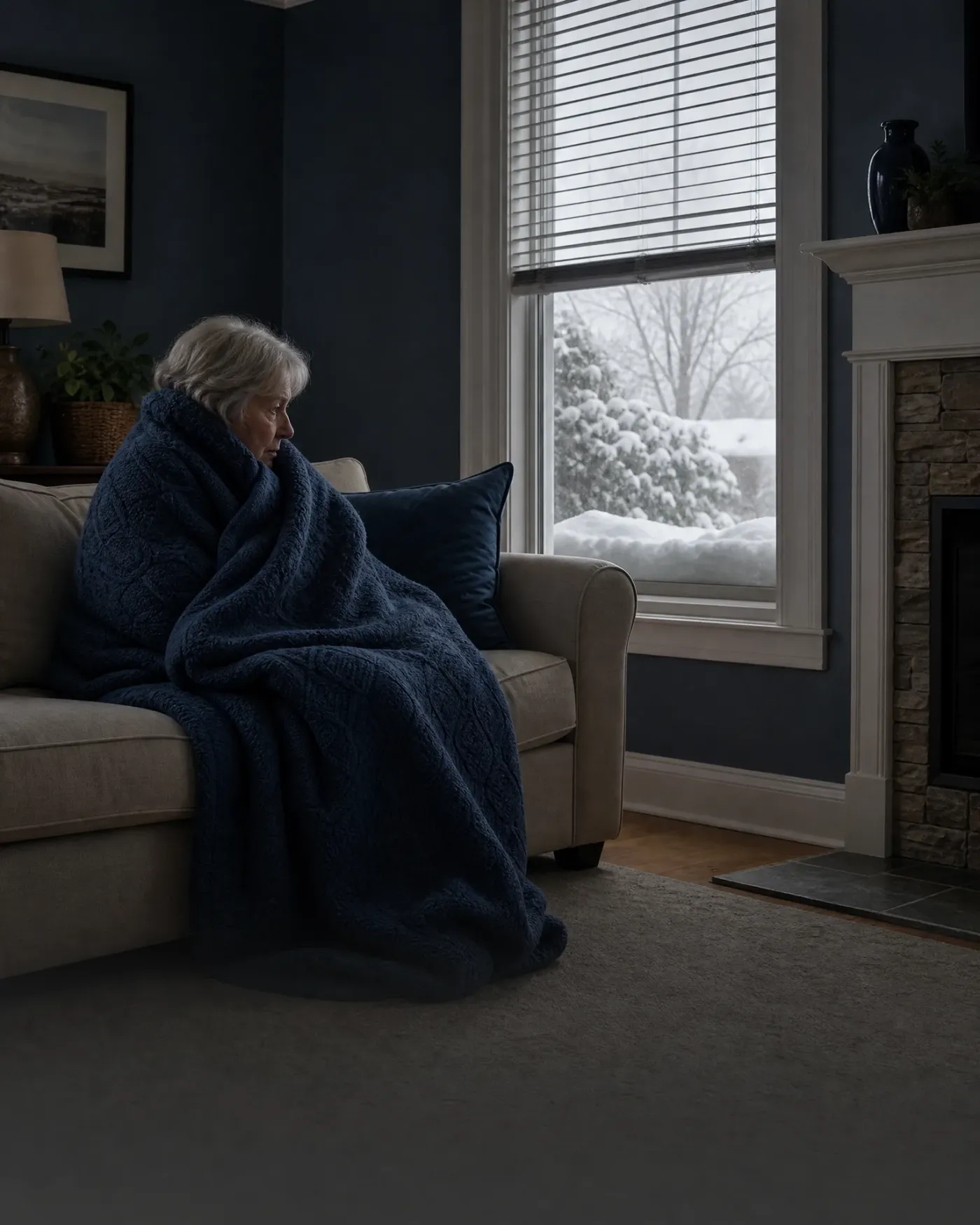
You notice it first in the room you sit in most. The air feels thin somehow, and you end up running a space heater to make up the difference, which costs more than gas does. Pennsylvania winters don't let up for months, so a radiator that stays cold keeps costing you the whole time, not just on the coldest nights. Shut the door to that room and the boiler still fires the same number of cycles trying to heat it, because it has no way of knowing the heat isn't getting there.

Chasing this down yourself means figuring out if it's the valve, the vent, or something upstream at the boiler, then finding someone licensed to work on your system, calling a few, explaining the same cold radiator each time, and weighing quotes against each other. Send one form instead and that search is off your plate. You still deal with a repair, but not with finding who does it.

A gray upholstered sofa with a matching cushion sits beside a potted plant and a wooden table holding a small green plant in a stone pot, near a curtained window.
A blue-gray residential boiler in a basement corner, connected to copper piping, a green expansion tank, a circulator pump, gauges, and a metal flue pipe against painted block walls.

Running the way it should

Pipes carry hot water out to every radiator and back again, and the pump keeps that loop moving without any noise worth noticing. A boiler in good shape sits clean around the burner and holds steady pressure on the gauge.

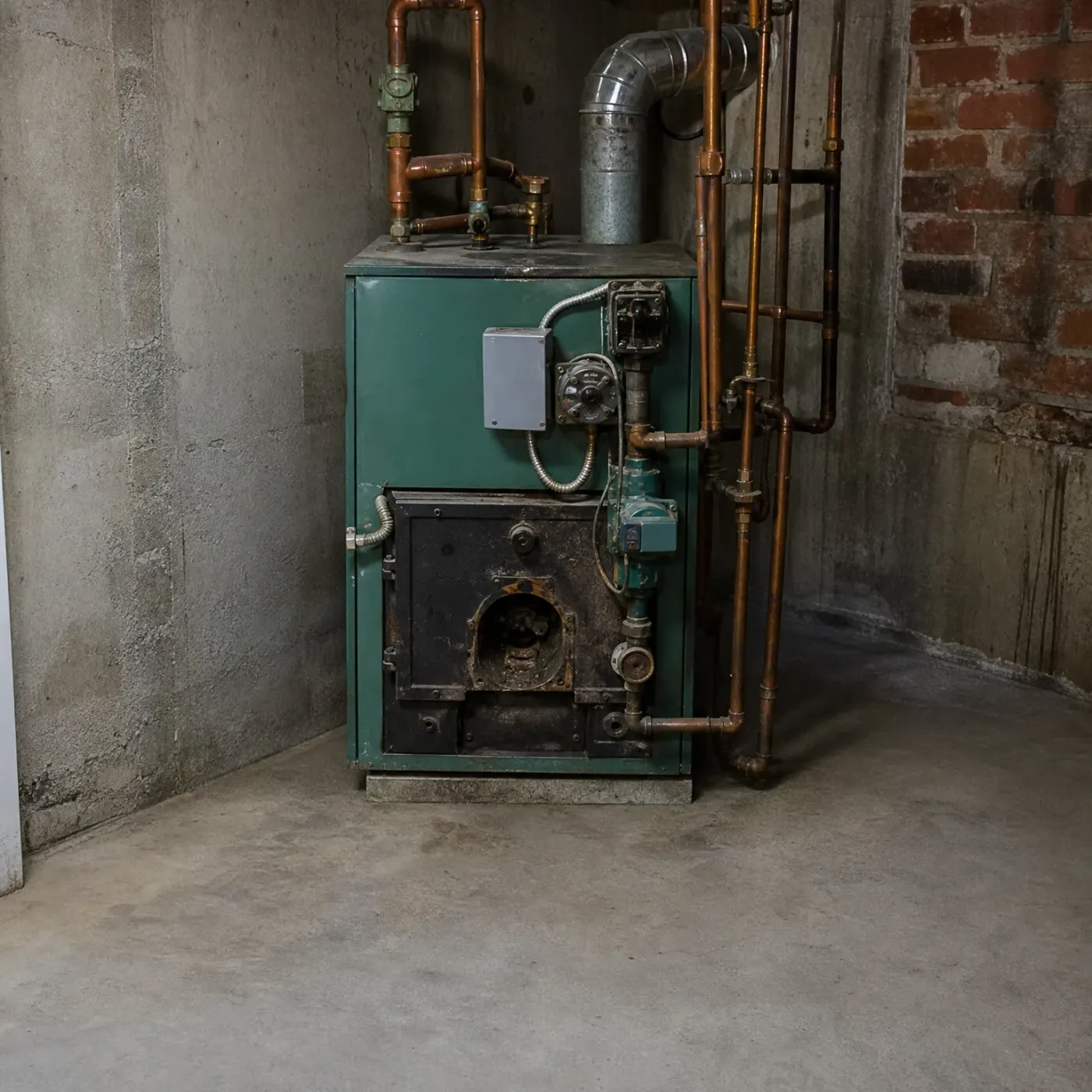
A green cast-iron boiler with a soot-stained front door, copper piping and a metal flue, standing on a concrete floor in a basement corner with concrete and brick walls.

Running into trouble

Rust on the firebox door like this means the metal has been giving way for a while, not overnight. A boiler left in this shape struggles to heat the loop evenly, and a cold radiator is often the first sign you get of it.

Bleed It or Get It Checked

Fix it yourself first

  • Bleeding the radiator with a key takes a few minutes and costs nothing if trapped air was the only problem.
  • A steam system needs the right pitch on its pipes, and that's not something a bleed valve can fix.
  • If the valve itself is stuck or the pin inside has corroded, bleeding won't do anything and the room stays cold.
  • You won't know if the problem is air, a bad valve, or something at the boiler until you've tried the simple step and watched what happens next.
  • Doing this yourself means no one else sees the rest of the system, so a second cold radiator next month means starting over.

Call for the repair

  • A contractor checks the valve, the vents, and the boiler's pressure in one visit instead of guessing room by room.
  • If the problem is a stuck valve or a worn part inside it, that gets replaced rather than worked around.
  • Low water pressure or a failing pump feeding that one loop gets caught before it takes out another radiator.
  • One form gets someone out to look, instead of you bleeding valves, checking gauges, and calling around to find a contractor who works on your system.
  • Whatever's actually wrong gets fixed once, so the same radiator isn't cold again in a month.
A man in a blue T-shirt sits on a light gray sofa, laughing while looking at an open laptop in the foreground, with a framed picture, lamp and potted plant behind him.
A bearded man in a blue and brown plaid flannel shirt stands indoors looking out a window at snow-covered trees, with a ceramic mug on the windowsill.

Done looking for a boiler pro

Skip searching for a boiler pro and answer a few questions instead.

Asking costs nothing, and the choice to hire stays yours.

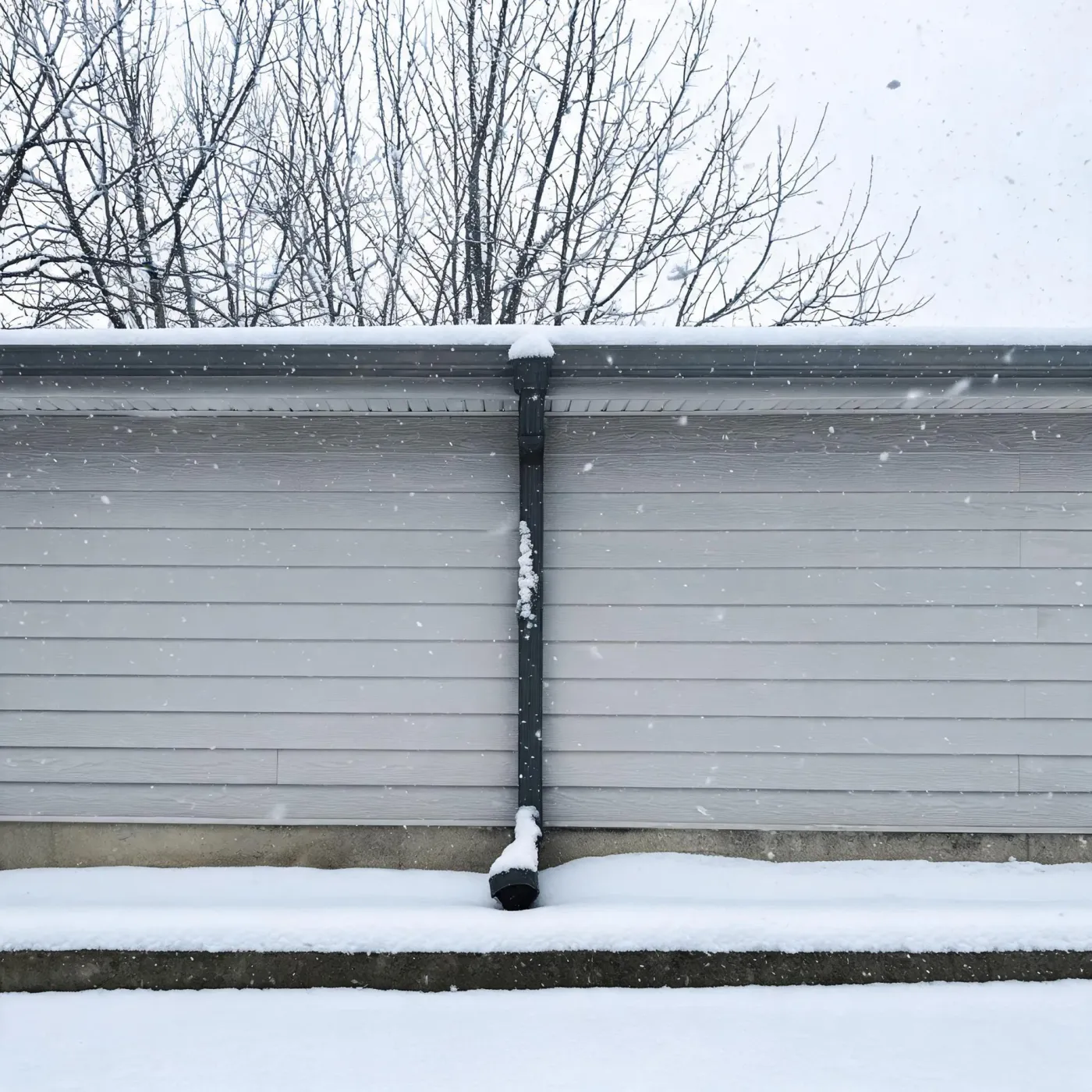
Exterior wall of a building with light gray horizontal siding and a dark downspout running to the ground, with snow on the roofline, steps, and ground, and bare trees behind during falling snow.

Statewide, winter nights average 23°F, according to NOAA climate data. At that temperature a boiler is running long, steady cycles most of the night to keep up, pushing water through the whole loop over and over. If one radiator has trapped air or a stuck valve, that's the room where you'll feel it first and worst, because the loop is working harder everywhere else to make up for it. A gap that's easy to miss in October shows up fast once nights sit near freezing, and the room with the cold radiator will feel it before any other.

NOAA nClimDiv 1991-2020 county normals weighted by homes

Why does my radiator valve get stuck in the first place?

You've already checked the obvious things, and the valve on that one radiator just won't move, or it turns but nothing changes. You're not asking how to fix it anymore. You want to know why it happened, because if you understand that, you'll know whether to expect it on another radiator next winter, or whether this one's just gotten old.

Mineral deposits and old grease build up inside the valve until the stem can't turn

A radiator valve sits closed most of the year, through every muggy Pennsylvania summer, and only gets asked to move again when the heat comes on in fall. Whatever grease was packed in there when it was installed dries out over the years, and minerals from the water left behind in hot water systems cake onto the stem and seat. On a steam system, the same thing happens with the air vent, a small part that can corrode shut from sitting damp. Either way, the valve is doing the same job it's always done. It just hasn't been asked to move in months, and metal that sits still that long seizes.

  1. The boiler fires and pushes hot water into the main loop.

  2. Water travels out through the pipes toward every radiator.

  3. Air pockets inside the radiator block the water from filling it.

  4. The bleed valve lets trapped air escape so water can take its place.

Winter nights average 23°F statewide

At 23°F overnight, your boiler isn't cycling off much before it has to fire again. That one cold radiator is costing you more than it looks like, since the loop runs longer to compensate while that room stays short on heat.

NOAA nClimDiv 1991-2020 county normals weighted by homes

One Cold Radiator, Here's Where You Stand

  • A cold radiator almost always means trapped air at the bleed valve or a stuck feed valve, not a boiler on its way out.
  • Bleeding the valve with a key is the first thing to try, and it costs nothing if air was the problem.
  • A steam radiator that stays cold even after bleeding usually points to the wrong pitch on its pipes.
  • Left alone, one cold radiator makes the boiler run longer cycles to cover the room that isn't getting its share.
  • Once you send the form, you're not the one calling around or explaining the problem again to find someone who works on your system.
  • Pennsylvania nights running in the 20s don't leave much room for one radiator to sit cold.

Most of the time this comes down to two things. Air sitting in the radiator where water needs to be, or a valve that won't open all the way. Neither one means the boiler itself is failing. A bleed key answers the question fast and for nothing, since if air was the problem, water replaces it and the radiator warms within minutes. If it doesn't, and the radiator is steam, the pipe pitch feeding it is worth a look before anything else, because a bleed valve can't fix a pipe that's sitting wrong.

None of this fixes itself while you wait. The boiler runs longer to make up for the room that's falling short, and on a night in the 20s, that loop is already working hard without the extra load. A cold radiator in February doesn't get easier to live with, and it doesn't get cheaper to ignore.

What changes once you send the form isn't the repair. It's everything before it. You're not bleeding every radiator in the house trying to isolate the problem, not calling three places and repeating what's wrong each time, not sitting with quotes trying to guess which one is fair. Someone who knows this system gets the call instead of you making it. The valve or the pitch or whatever it turns out to be still needs a contractor's hands on it. But finding that contractor stops being something you have to do tonight.

A dark wood cabinet with a paneled door and a ceramic pot of green foliage on top stands in a beige-walled room with white baseboard, a window at left, hardwood floor, and a patterned area rug.
A dark wood glass-front cabinet holding folded towels, woven baskets and a ceramic vase stands in a bathroom corner beside a window, with a potted fern and stacked towels on top and a freestanding tub partly visible at left.
A woven basket holding a green cushion and a cream fringed knit throw sits on a wood floor in a room corner beside a window and a dark wooden cabinet.
Corner of a room with a dark wood cabinet topped by a round vase, a linen curtain at a window, white baseboard, oak plank flooring with sunlight patches, and a woven jute rug in the foreground.
A dark wood sideboard against a pale wall holds a shallow stone bowl and a round ceramic vase with leafy branches, with sunlight from a curtained window falling across the wall, wood floor and woven rug.

It's off your list after this

One form replaces the calls you'd make to find a boiler pro.

Send it today

No fee to send it, and nothing to sign.