
Why your boiler keeps turning off in Pennsylvania
A boiler that keeps shutting off is usually telling you something through its own safety controls, not just quitting at random. Most boilers in Pennsylvania run on gas, and gas boilers have a flame sensor and a pressure switch built in for one reason: to shut the burner down before something goes wrong. If the pressure drops too low, if the flame sensor doesn't see a clean flame, or if the system overheats, the boiler shuts itself off rather than keep running. Low water pressure is one of the most common reasons, often from a slow leak somewhere in the system. A dirty or failing flame sensor is another, especially on older units. Sometimes it's a clogged condensate line backing up and tripping a switch. None of these fix themselves, and running the boiler through repeated shutoffs during a Pennsylvania winter isn't something to leave alone, since the people counting on that heat need it working, not cycling off every hour.




A flame sensor shuts the burner off when it can't confirm a flame, even for a second, because letting unburned gas keep flowing is the one failure a boiler is built never to allow.
That same sensor will cut the boiler off again and again until someone cleans or replaces it, which is why the shutdowns keep repeating instead of stopping on their own.
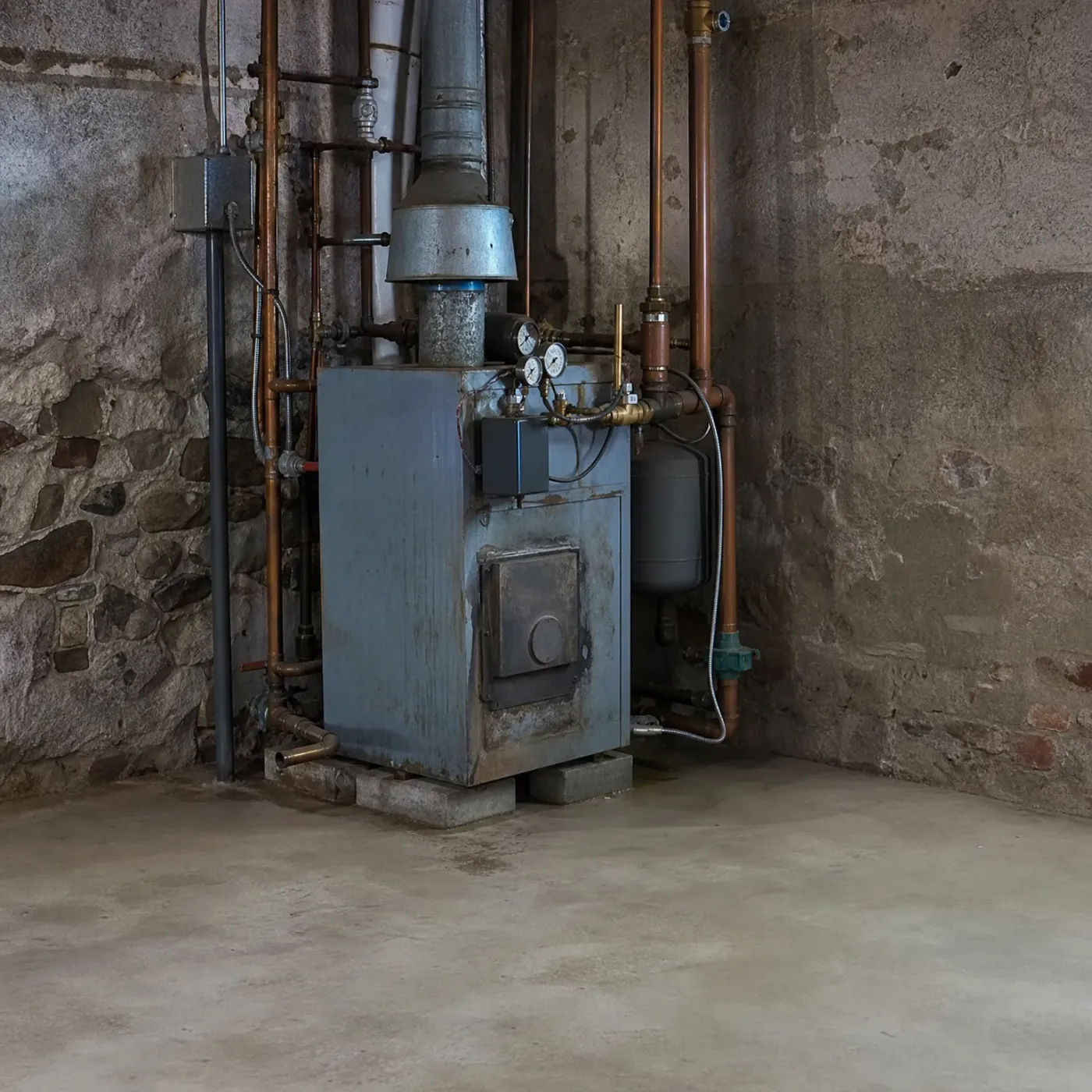
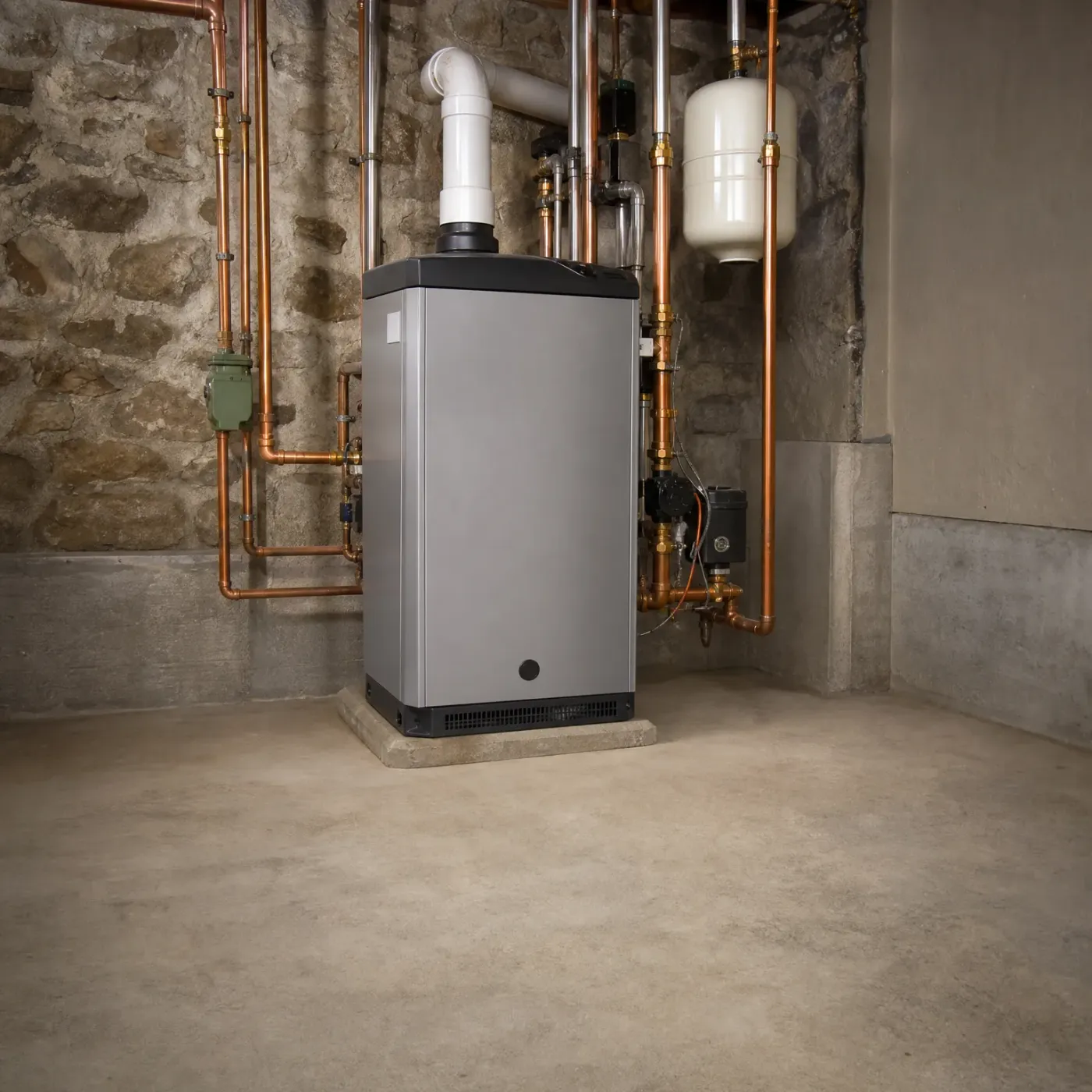
A boiler has a handful of safety switches, and each one is watching something different. The low water cutoff checks pressure, and if a slow leak in the loop has let it drift down overnight, the burner won't run until that's fixed. The ignition control is on a clock. It gives the burner a short window to prove it lit, and if it doesn't, the control locks the system out rather than let gas keep flowing with no flame. High-efficiency boilers add a condensate line, and when that line clogs, a float switch stops the burner before water has a chance to back up into the unit. Short cycling points somewhere else. If the high limit switch keeps tripping, heat usually isn't getting out of the boiler fast enough, which often traces back to a circulator pump that's weak or a zone valve that's stuck shut. None of these switches are malfunctioning when they shut the boiler down. They're doing exactly what they were built to do, which is why resetting one without finding what tripped it just buys you the same shutdown again.
What's Actually Tripping the Switch
- A low water cutoff shuts the burner down when pressure in the system drops below the point the boiler needs to run safely.
- Pressure that's fine at night can drop by morning if there's a slow leak somewhere in the loop feeding your radiators or baseboard.
- The ignition control gives the burner a few seconds to prove it's lit before it locks out and tries again or gives up.
- A clogged condensate line will back up on a high-efficiency boiler and trip a float switch built to stop the burner before water backs into the unit.
- Short cycling off a high limit switch usually means heat isn't moving out of the boiler fast enough, often a circulator pump or closed zone valve.
- Each of these switches is doing its job when it shuts the boiler off, which is why the fix is finding what tripped it, not resetting it.
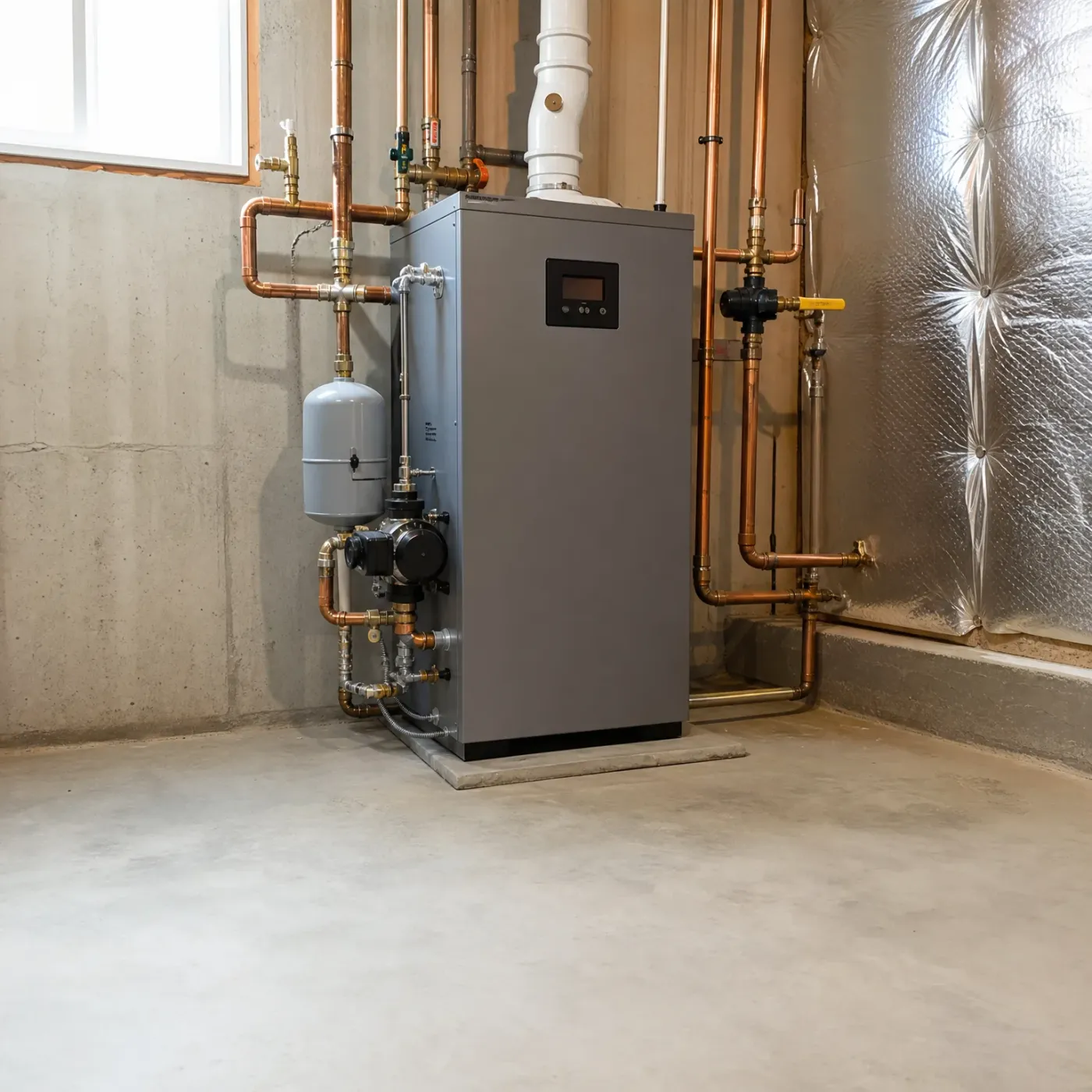
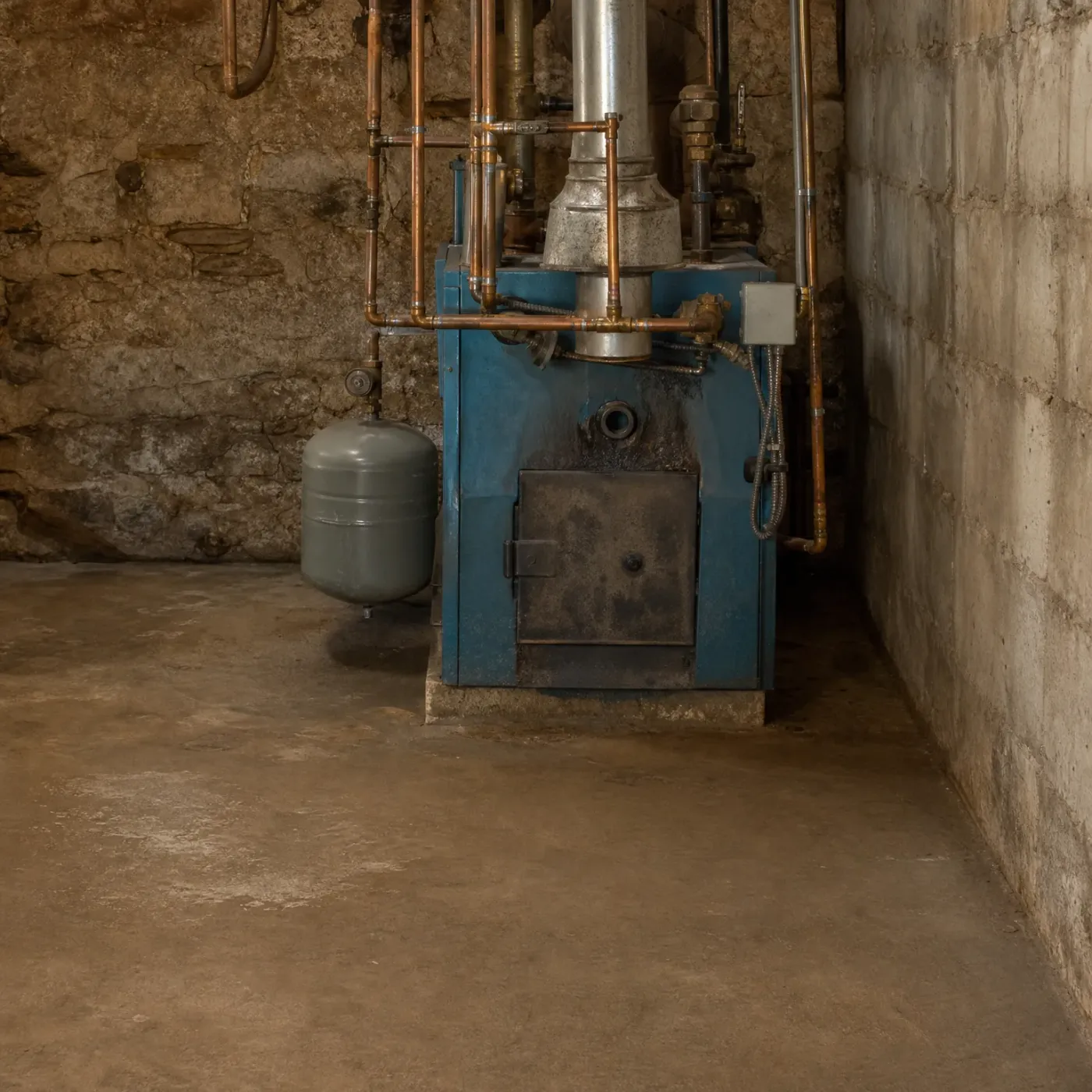

The thermostat calls for heat and opens the gas valve.
The igniter lights the burner inside the combustion chamber.
The flame sensor confirms a flame or shuts the valve.
The pressure switch checks the water loop before firing continues.


One form, no calling around
A boiler that short cycles all winter doesn't get better on its own, and every restart puts more wear on the igniter and the gas valve. You could spend an evening calling around Pennsylvania, explaining the shutdowns to one company after another, then doing it again when their quote comes in high or their schedule doesn't work. Submit the request here instead and it goes to one licensed local contractor, someone who works on boilers like yours every winter and has likely already seen this exact pattern of shutoffs on a system your age. You explain it once. No list of companies calling you back at once, no retelling the same story to five different voices. While you're sorting that out, the boiler is still cutting off, the house is still cooling between cycles, and the gas bill still reflects all that restarting. Getting the right person looking at the flame sensor or the pressure switch sooner matters more than finding them through a long search.
What keeps shutting off costs you
A boiler that shuts off at 2 a.m. means someone in the house wakes up to a cold house and a thermostat that won't catch up before morning. Run it through enough restarts and the parts doing the shutting off wear faster: the igniter that has to relight every cycle, the gas valve that opens and closes more than it should in a season. Pennsylvania winters don't give a boiler room to sit broken for long. A unit that's cutting off every few hours in January is also burning gas inefficiently each time it relights, and with power and gas costs what they are here, that shows up on the bill before anyone diagnoses why.
What it risks if it's ignored
A flame sensor or pressure switch shutting the boiler down is doing its job. The risk isn't the shutdown itself, it's what's behind it going unaddressed. A slow leak feeding that low water cutoff doesn't fix itself, and left alone it can mean a bigger repair on the circulator pump or heat exchanger down the line. A furnace that keeps restarting through a bad igniter is also putting more strain on the gas valve with every cycle. None of this means replace the boiler. It means whatever's tripping the safety control needs a look before another cold snap finds it again.
Winter nights average 23°F statewide
At 23°F overnight, your boiler is firing for long stretches to hold the house, not just topping it off. That's more hours for a worn igniter or a flaky pressure switch to catch and trip the safety shutoff before morning.
NOAA nClimDiv 1991-2020 county normals weighted by homes
Letting it keep shutting off
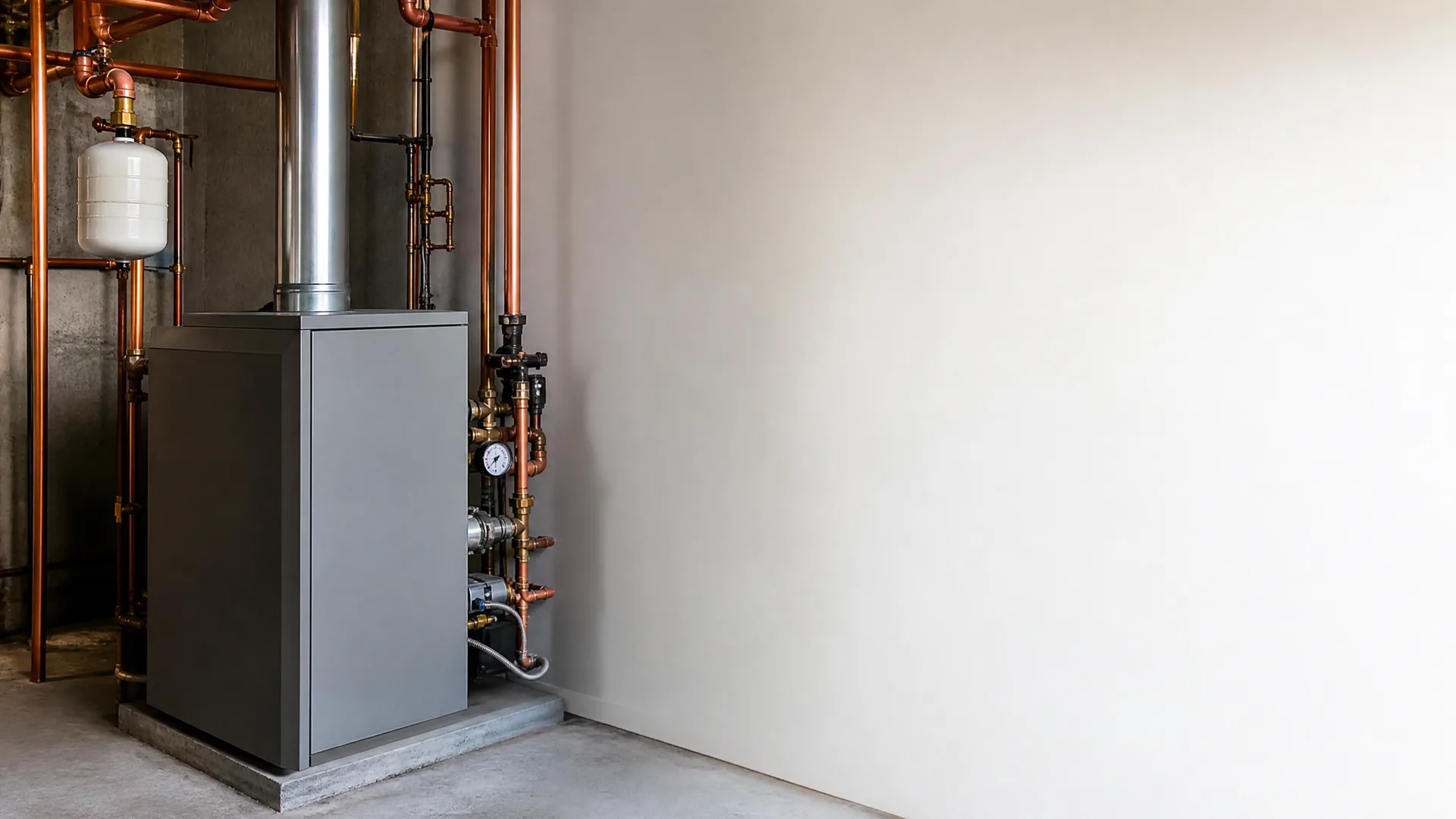
Every restart puts the igniter and gas valve through a cycle they weren't built to repeat all winter. A boiler that trips its safety switch once a night in January will likely trip it more as the parts wear further. The house gets cold at the hours nobody's awake to catch it, and the next repair tends to cost more than the one you're putting off now.
Getting the shutdown diagnosed
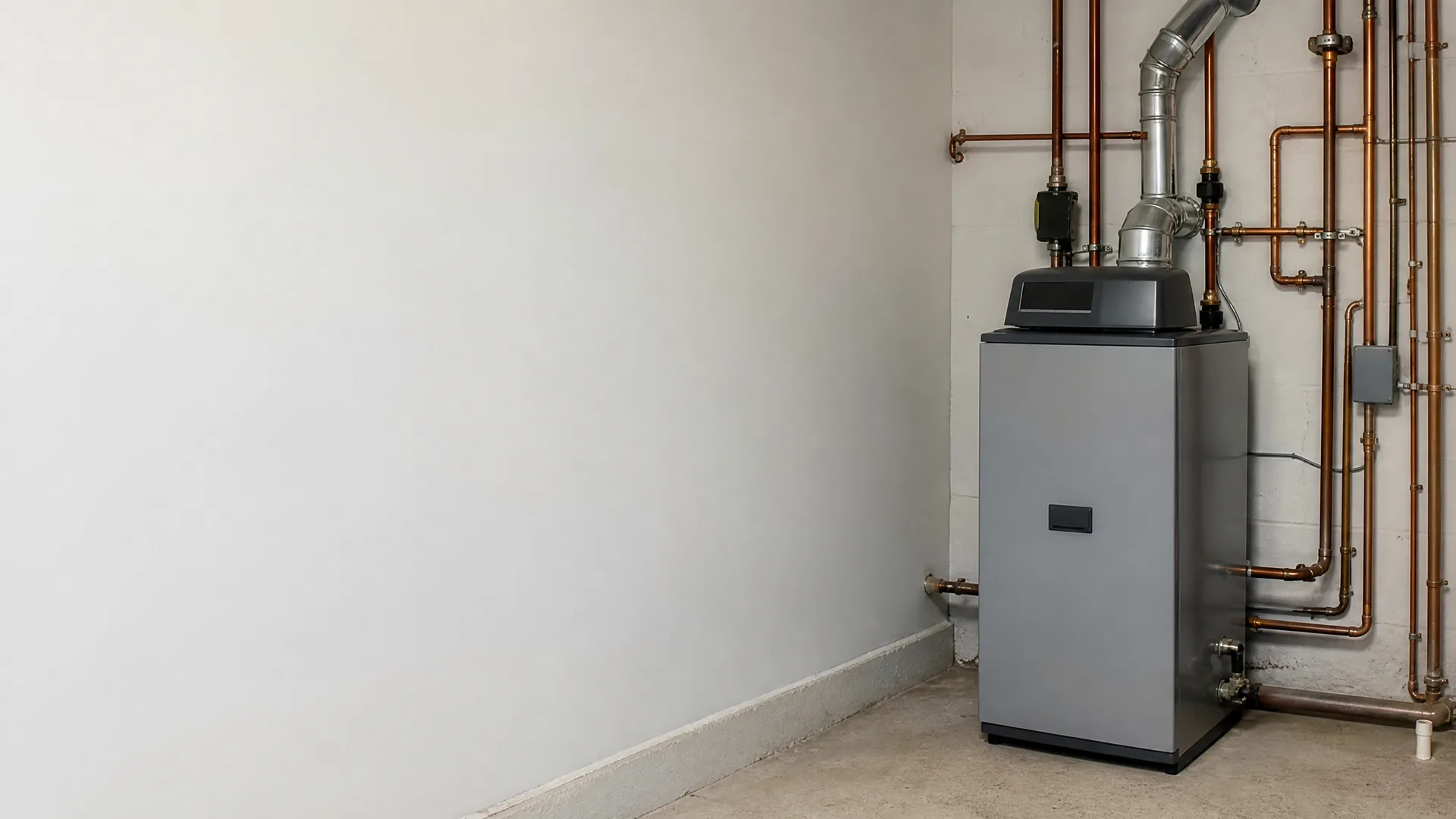
A contractor who works on boilers all winter in Pennsylvania can tell a dirty flame sensor from a failing pressure switch by what the shutdown pattern looks like, not by guessing. Once the actual cause is found, whoever's home stops losing heat at random hours. The boiler fires when the thermostat calls for it and keeps running until the house is warm, the way it's supposed to.

A boiler that keeps shutting off needs a hand, not a guess
The sensor or switch tripping it isn't broken on purpose. It's doing its job with a part that's failed or a pressure problem that needs fixing at the source. Once that part is replaced or the leak is found, the shutdowns stop.
Finding someone to look at it is the part you don't have to do alone. You won't be calling boiler companies around Pennsylvania, waiting on hold to describe the same 2 a.m. shutdown three times, then sitting with quotes trying to guess which one actually knows cast iron heat exchangers and old flues. A local contractor who services boilers all winter sees these same failures every season. One call, one person who already knows what usually fails in a system like yours.

Skip the search
Your request goes to one pro, not a list of companies.
You're not committing to anything by asking.