Tell us about the job
Takes about a minute. No obligation.
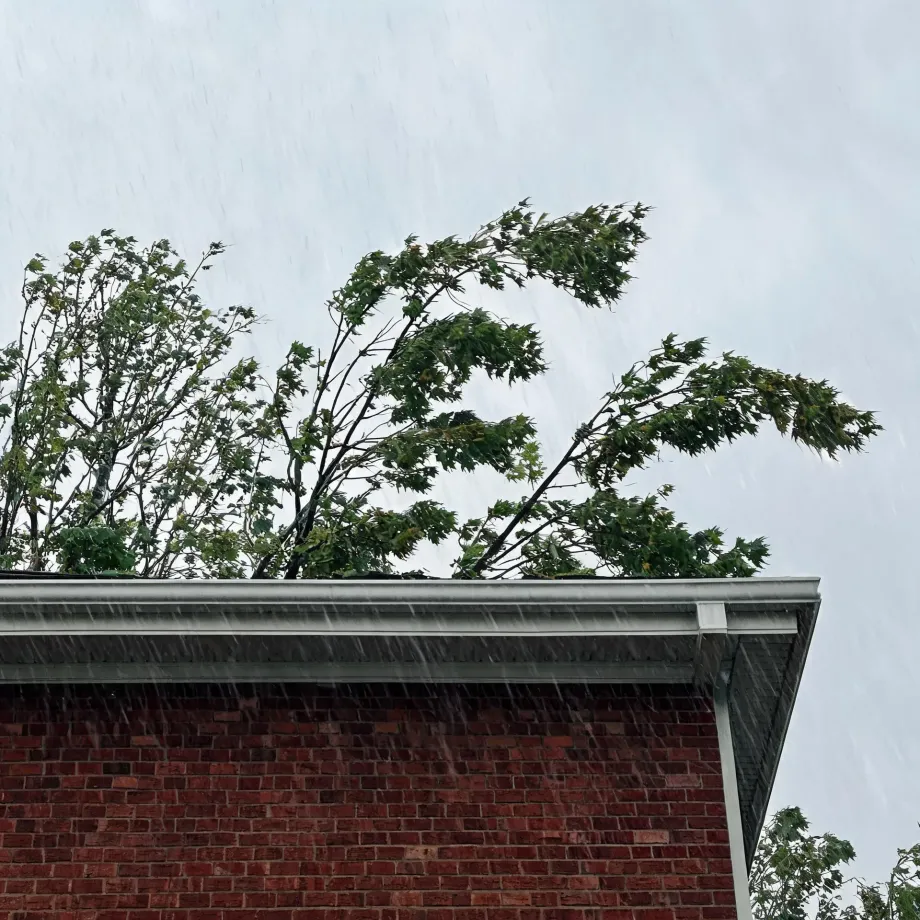
A boiler repair in this county starts with a question a contractor has to answer before pricing any part: how much of what failed is wear from repeated system stress, and how much is simply age? 180 severe weather events were recorded in Lycoming County, Pennsylvania between 2015 and 2024. At that rate, heat exchangers, pressure relief valves, and control boards in this county have been working against a real and recurring load. A contractor who skips that distinction may replace the wrong component and leave the underlying cause standing.
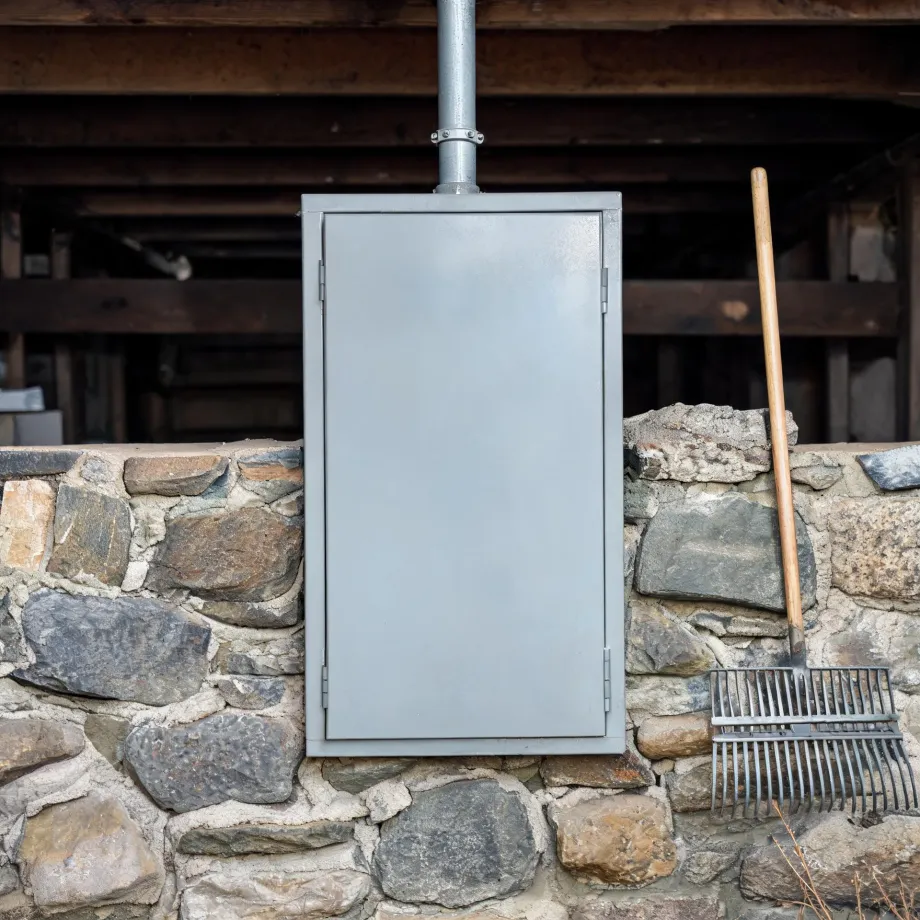
Boilers in housing this old have been working through cold seasons long enough that what a contractor finds inside the unit tells the story of the whole system. Half the homes in Lycoming County, Pennsylvania were built in 1963 or earlier (2020-2024 ACS 5-year). A heat exchanger that has expanded and contracted through that many winters develops fatigue at the joints; valves and zone controls corrode from the inside out. Whether parts for a system that age are still in production is a real question, not a formality, and a contractor opens the unit before committing to a repair path rather than after.
The Parts of a Boiler a Contractor Checks First
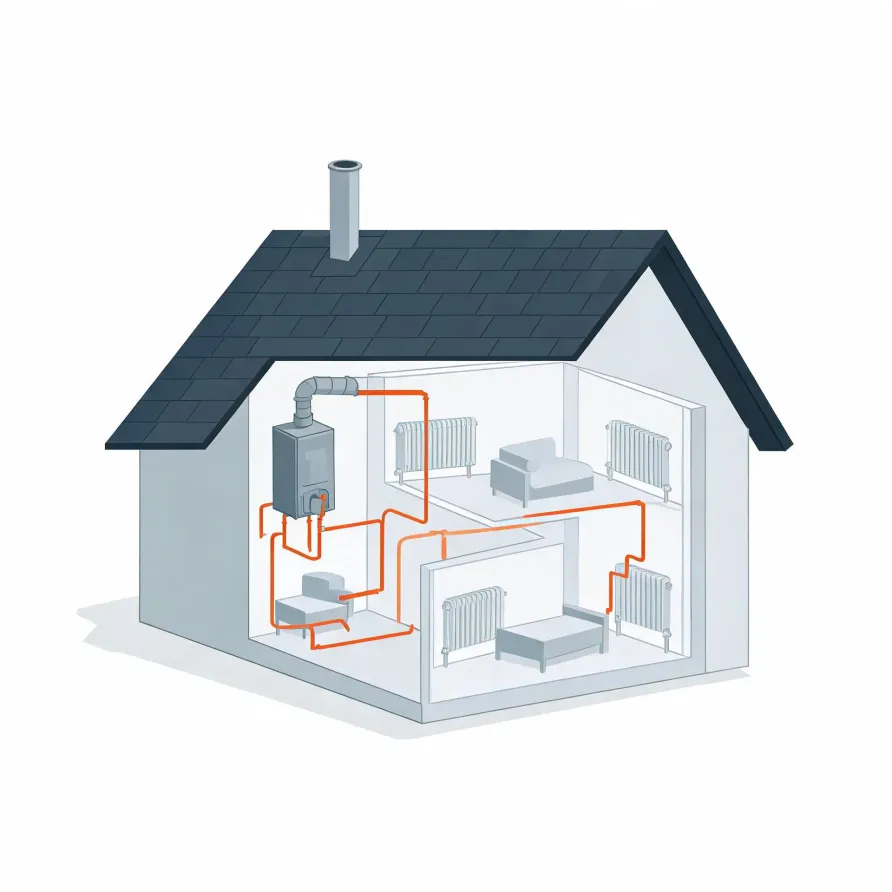
The boiler itself sits in the basement or a utility room and is the piece a contractor goes to first. It heats water and pushes it through the system. When a boiler runs but produces little heat, or makes banging or kettling sounds, the heat exchanger or burner assembly inside the unit is usually where the problem lives.
From the boiler, pipes carry hot water to radiators or baseboard units in each room, and a circulator pump keeps the water moving through that loop. The expansion tank, mounted close to the boiler, absorbs pressure changes in the system. A failed circulator or a waterlogged expansion tank can make individual rooms go cold while the boiler itself appears to be running fine.
The drawing shows a typical boiler layout, and a licensed contractor determines what applies to the specific system in your home.
Find a contractor in Lycoming CountyLycoming County, by the numbers
180 severe weather events were recorded in Lycoming County, Pennsylvania between 2015 and 2024.
NOAA National Centers for Environmental Information, Storm Events Database, bulk CSV export, events 2015-01-01 through 2024-12-31.Half the homes in Lycoming County, Pennsylvania were built in 1963 or earlier (2020-2024 ACS 5-year).
U.S. Census Bureau, 2020-2024 American Community Survey 5-Year EstimatesLycoming County, Pennsylvania holds 52,715 housing units (2020-2024 ACS 5-year).
U.S. Census Bureau, 2020-2024 American Community Survey 5-Year EstimatesOwners occupy 69.1% of the occupied homes in Lycoming County, Pennsylvania (2020-2024 ACS 5-year).
U.S. Census Bureau, 2020-2024 American Community Survey 5-Year EstimatesBoiler Repair Rules & Standards on the Books in Lycoming County, Pennsylvania3 codes, laws & standards
Licensing Rules for HVAC Repair in Lycoming County, Pennsylvania
Pennsylvania names the trade in its own definition: installing central heating or air conditioning is a home improvement under the Act, whether or not the equipment is affixed — so an HVAC installation is work the registration requirement reaches.
A Pennsylvania registration displaces the local one: no political subdivision may require a home improvement contractor to register, license or pay a fee on top of it, though building permits and local code enforcement still apply.
Pennsylvania requires home improvement contractor registration rather than a licence: nobody may hold themselves out as a contractor, or perform any home improvement, without first registering with the Bureau of Consumer Protection.
Weather Stress on Boilers in Lycoming County
Boilers in Lycoming County work against whatever conditions the region delivers, and hard weather years press heating systems harder than mild ones do. Repair demand follows that pattern, which is why local storm history is a real factor in understanding how boilers age and fail here.
180 severe weather events, 2015–2024. Source: NOAA National Centers for Environmental Information, Storm Events Database.